
The standard model for a 3 act story is for the 2nd act to introduce an escalating conflict, and for the heroes to be left at their lowest and most hopeless point. The misconception is that the 2nd chapter always has to be darker, which it sometimes is, but the key point is for it to end on a more hopeless note. I wouldn’t say that season 2 was darker overall, but it’s definitely more mature, complex, and patient in the storytelling. I feel like the writers always set out from the beginning to do long form storytelling, and always be juggling how serious and mature you could make a kids show without losing the young audience, and how cartoony you could make a show without losing the adult audience. If the first season was slightly more geared to kids, the second seasons might be slightly more geared to adults. I was already an adult the first time I saw the show, but there were many moments when I watched season 2 and wondered whether kids would even respond to it. In all honesty, it took me good chunk of the season to really get on board, but once it finished I was convinced it was not only the best animated series ever made, but maybe one of the best TV series ever produced. As much as I love season 1 as the perfect introduction, and season 3 as the perfect climax, I’ve always had a soft spot for season 2 as my personal favourite.
20 – Avatar Day (Episode 5)
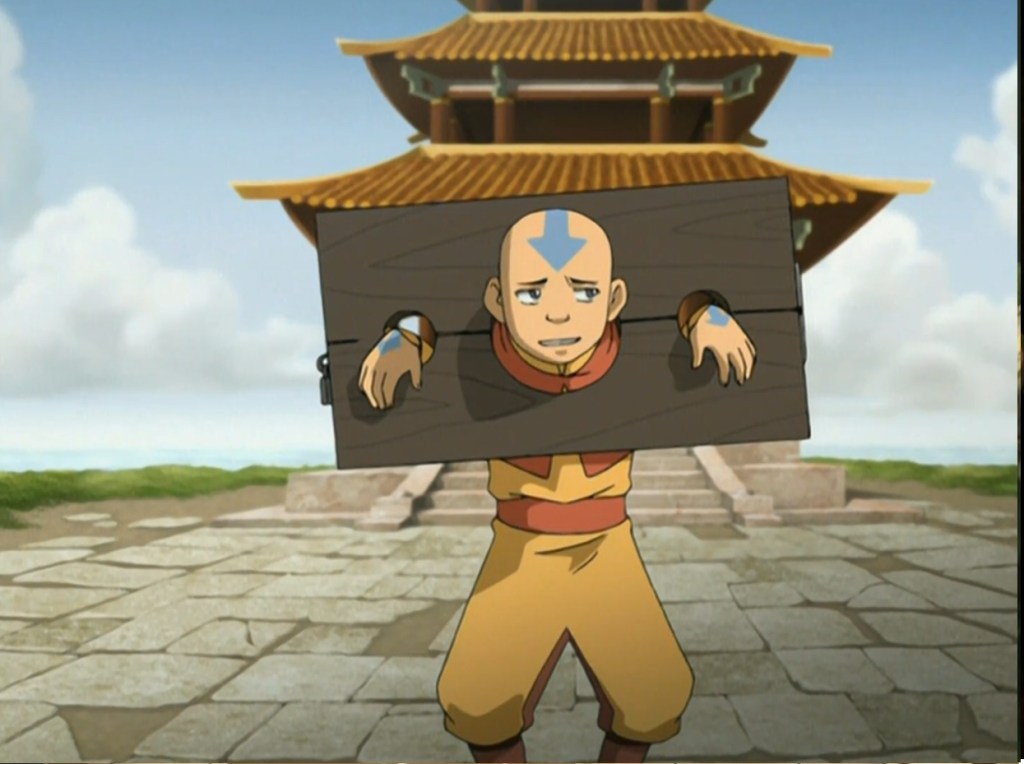
Each season has one episode where Aang and gang visit a local town and observe how people are responding to the Avatar. While it starts with a parade for what you think is a celebration of the Avatar, its quickly revealed to be a town that hates the Avatar. There could have been a way to make this same story dramatic, but instead this episode is played mostly for comedy. Sokka playing Sherlock Holmes and Aang is dressed in drag during a trial. I don’t mind the lighter episodes of the series, but there are different ways of handling the lighter tone, and this one is a bit of a mis step. Not to mention some episodes are better built for that lighter tone than others. Occasionally there will be a really light episode that gives one or two solid dramatic moments on the end. This stays goofy all the way to the finish, and personally I just would have preferred something a little more serious when you’re dealing with what seems like a dramatic premise.
19 – The Cave of Two Lovers (Episode 2)
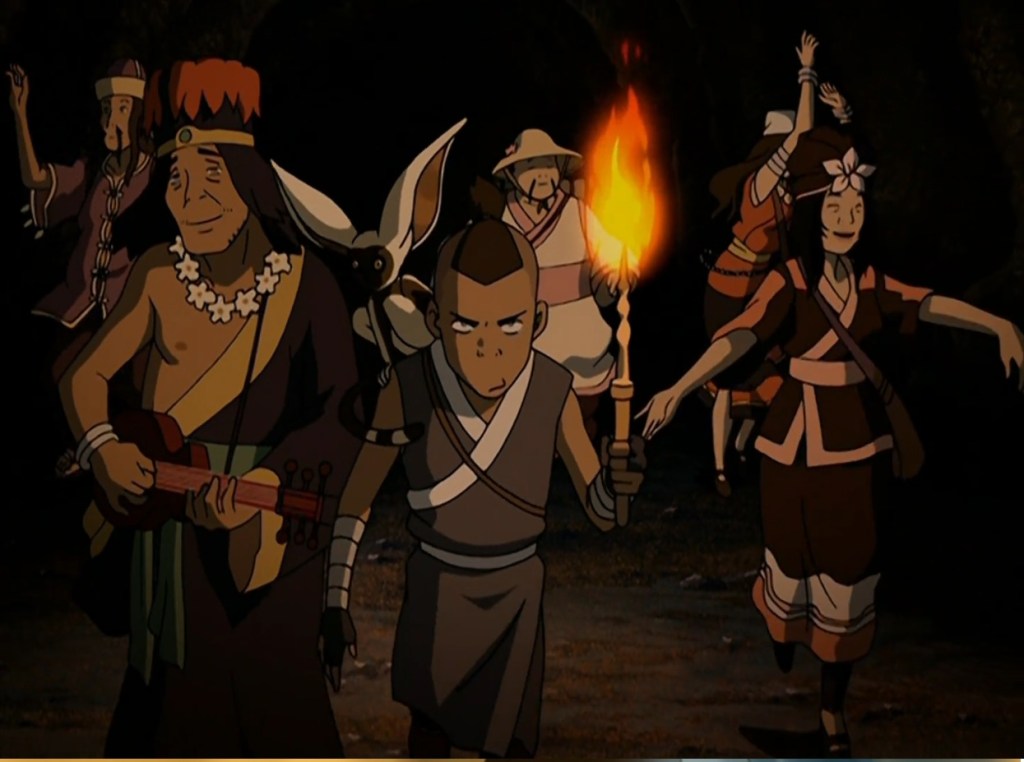
Take my comments on this episode less as a criticism of the story and more as a direct comparison to the frequently criticized ‘The Great Divide’ from season 1. They are essentially the same episode, yet for some reason this one gets none of the hate. Here there’s a long trek through underground tunnels. Great Divide was a long trek through a canyon. Here there’s a single odd group of tribes people. Great Divide was two tribes. Aang and Katara take one path while Sokka takes another. Great Divide had Aang taking one path with one group and Katara and Sokka taking the other. Here they end up trapped by cave creatures and find a way past them using song. Great Divide it was canyon creatures and they escaped using food. Finally there’s an ancient story connecting two leaders of rival tribes who fell and love and came together. Great Divide it was feuding tribes leaders who are (possibly) revealed to be brothers. Again, going back to the frequent criticism of The Great Divide as not featuring anything relevant to the overall story, the only thing that separates these episodes is Zuko and Iroh’s small side story, and Aang and Katara getting a brief tease of romance. Nothing else is any different. I would argue The Great Divide at least features some conflict with the warring tribes, and it has a slightly more serious tone. This is extremely silly, and at times the hippy tribe actually get on my nerves. Although some of the jokes do make me laugh. It’s not a bad episode, but easily one of my least favourites of the season.
18 – The Bitter Work (Episode 9)
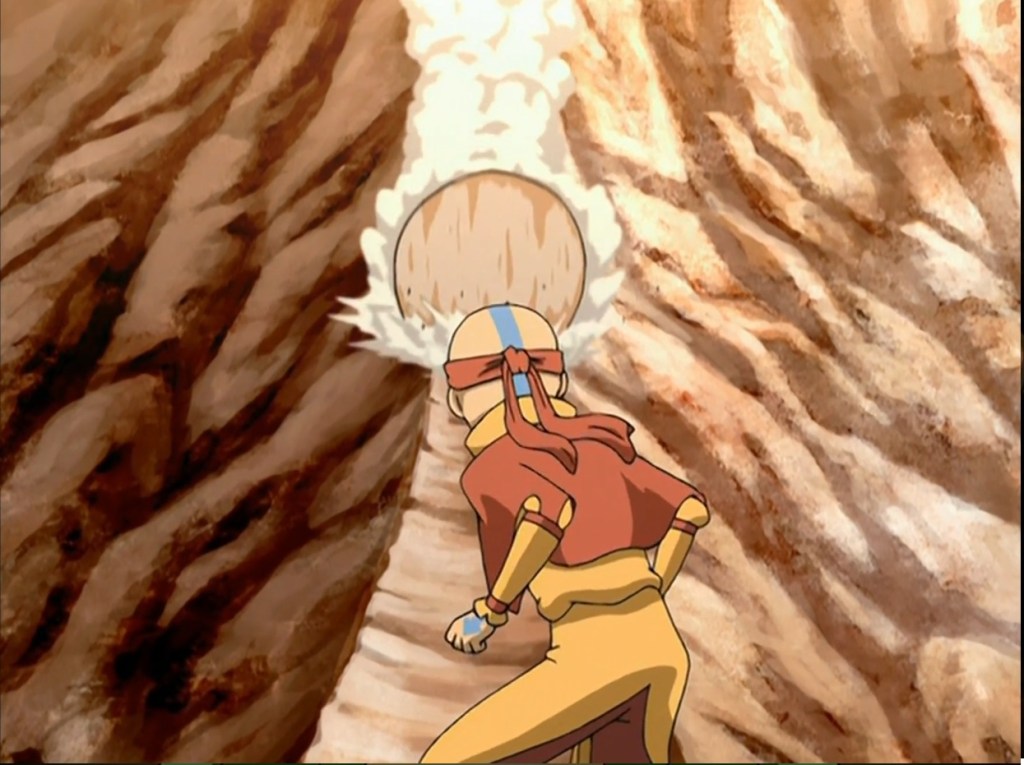
The Earthbending training officially begins, and thanks to how Toph’s character has developed, it’s not just a repeat of what we saw with Katara or the other Waterbenders in season 1. In fact, maybe the funniest moment of the episode comes as Katara tries to explain how to calmly and with encouragement coach Aang, and Toph turns right around to yell at and berate him. It’s a training story all around as Iroh teaches Zuko lightning bending. This is by no means a classic episode, but when you view it in the context of the whole season its basically like a 22 minute non montage version of a Rocky “Gonna Fly Now” training montage. Everyone loves a good training montage. We just don’t have the music to go with it.
17 – The Swamp (Episode 4)
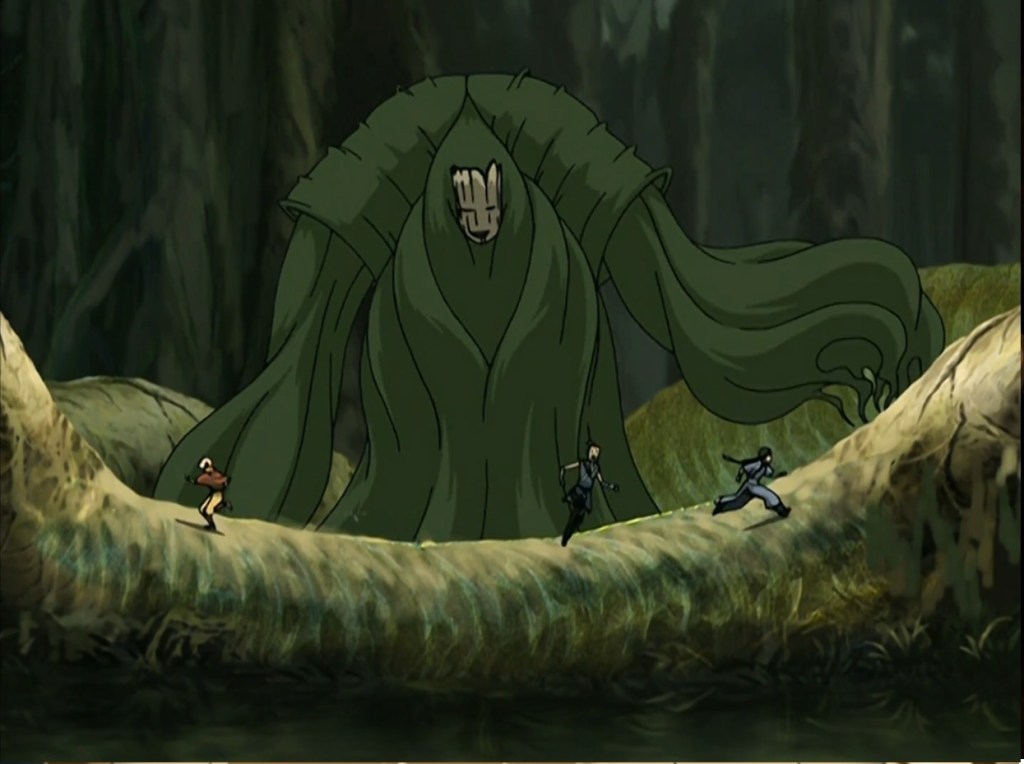
I absolutely love a good jungle adventure story with monsters. To make it even better, it’s a haunted jungle with monsters. If you’re bothered by sudden changes in tone it can be a little distracting when it suddenly goes from creepy to downright silly in the last few minutes. I’m forgiving of that as the environment is so unique for the show. Not just a visually interesting looking environment, but an environment that’s literally a character in the episode. We also have the first tease towards the introduction of Toph, which is blink and you miss it on a first view, and a huge highlight on a rewatch.
16 – City of Walls and Secrets (Episode 14)
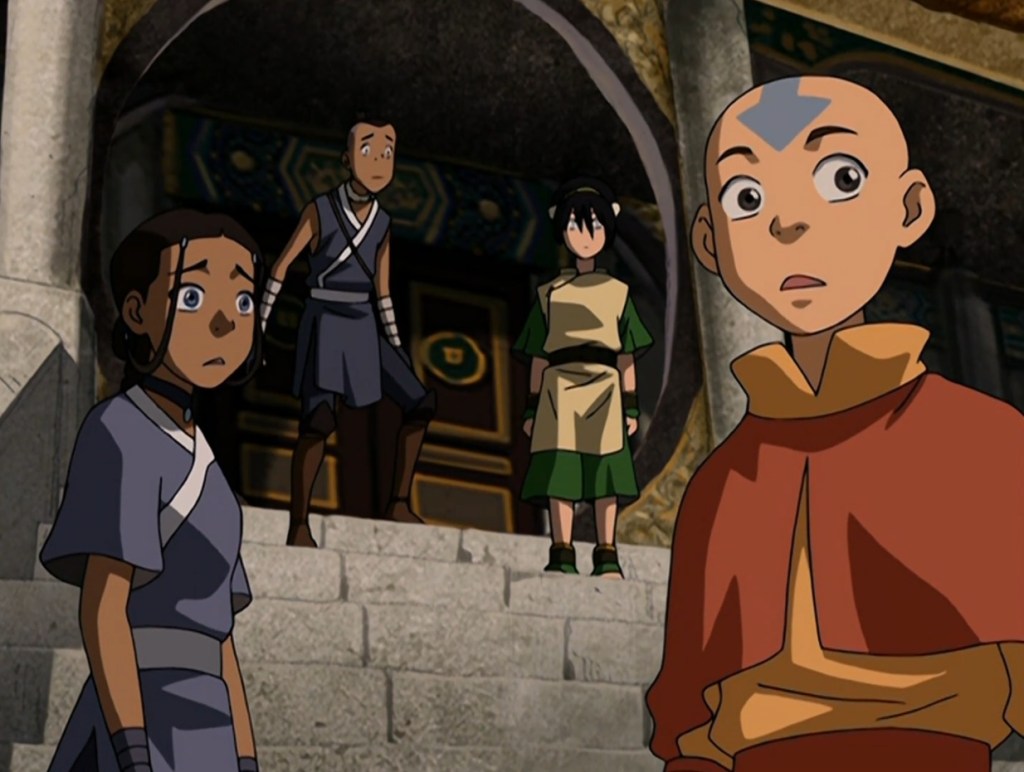
Even though the arrival in Ba Sing Se came in the previous episode, this is the first proper introduction to the city that would become home base for the remainder of the season. In the past the show would typically never stay in one environment longer than 2 episodes, so this stretch completely breaks the show’s formula again. The story of trying to get urgent news to the Earth King is presented in a very comical way, however, what’s introduced through the comic scenes is a very complex political corruption sub plot with the Dai Li that plays out over several episodes. This Dai Li subplot is one of my favourite plots in season 2, but its something to appreciate more across multiple episodes, and not necessarily in just one 22 minute episode.
15 – Tales of Ba Sing Se (Episode 15)
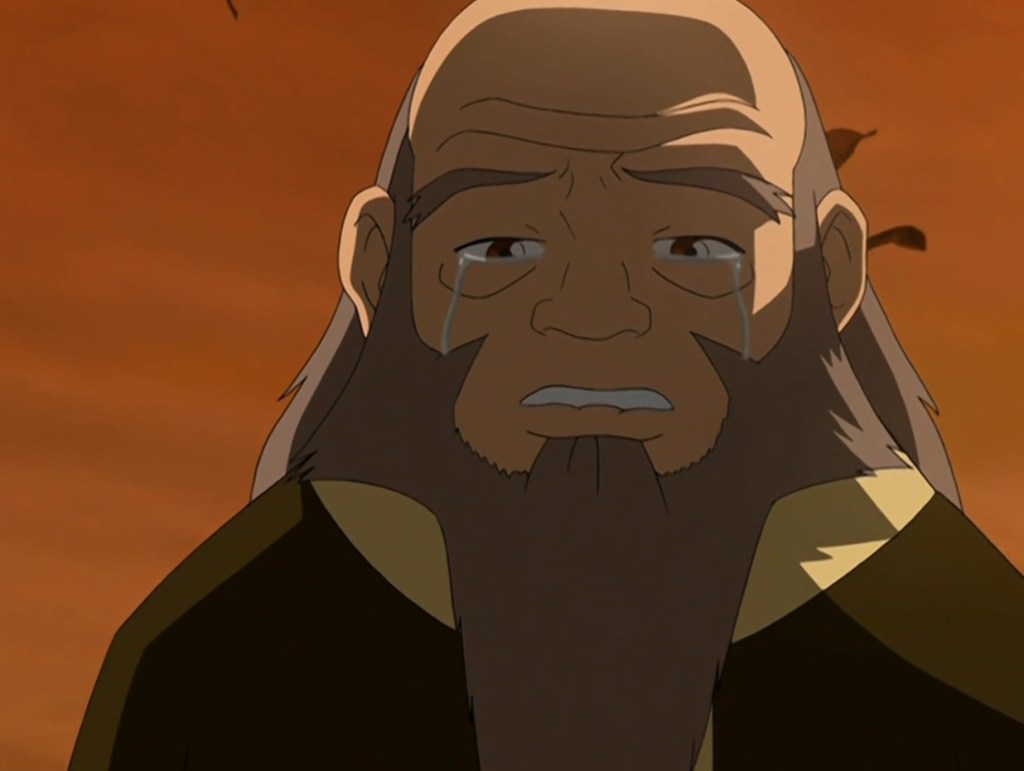
I do have to say that I find Tales of Ba Sing Se to be a little overrated. I actually really like the episode. It’s an interesting change in pace to have a small collection of short stories involving everyone from Aang to Momo. I’m fond of the episode, but when I see how highly regarded it is against others, I kind of scratch my head a little. It’s a nice bit of filler, but being completely objective, only a few of the shorts really provide anything memorable. Nothing about Aang helping animals, or Zuko going on a date, or Sokka trying to impress a bunch of girls with his attempt at haiku really stick with me. I do love the ending of the Katara and Toph makeover segment, but it’s Iroh’s segment that has to be what everyone goes crazy for. It’s important to note that this episode aired right after Mako’s death, and features an on screen tribute. Even aside from that tribute, the moment at the end of Iroh’s tale where he pulls out his sons pictures and starts to cry is one of the most dramatic and moving moments of the whole series. That alone is worthy of praise.
15 – The Earth King (Episode 18)
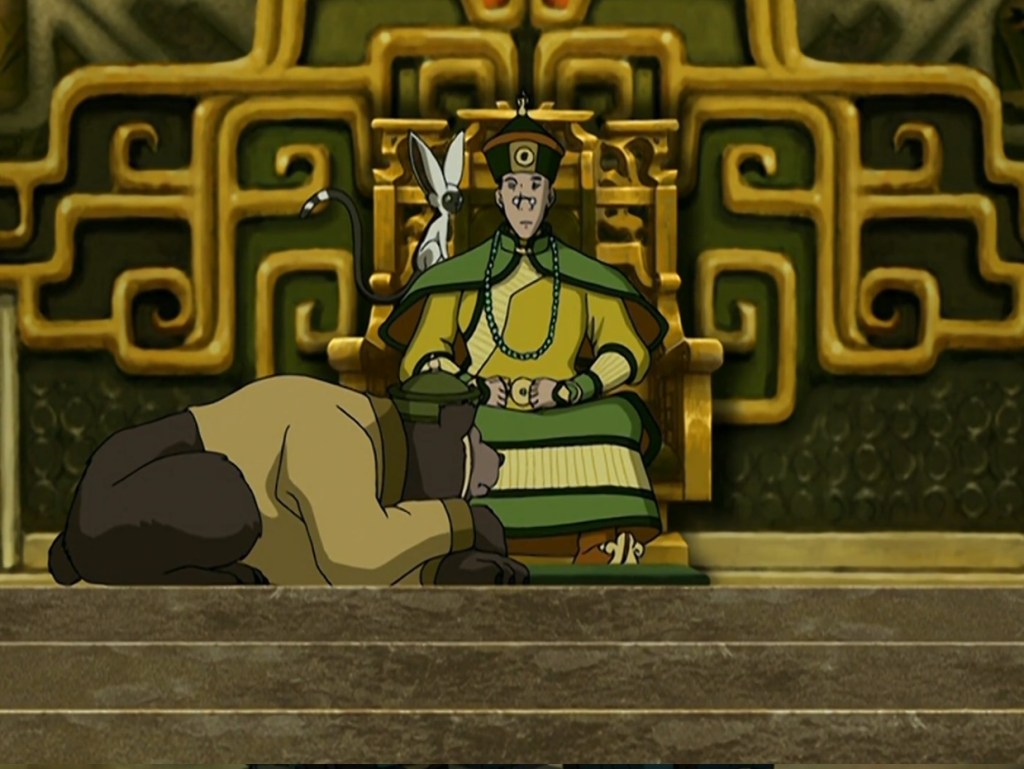
The opening sequence starts off with a huge bang. After multiple episodes of being held back from seeing the Earth King, we have 4 kids storming the palace with no assistance, and meeting virtually no resistance. While not the biggest action sequence of the series, it is the one that shows the main hero characters at their most heroic and powerful. Following this there’s no real action at all, and it becomes one of the talkiest episodes yet. There’s a lot of exposition and a lot of back and forth debate as the Dai Li political conspiracy plot starts to move forward. It’s a transition and setup episode that proves how good the plot line of season 2 is. You barely need action to be fully invested at this point.
13 – The Return to Omashu (Episode 3)
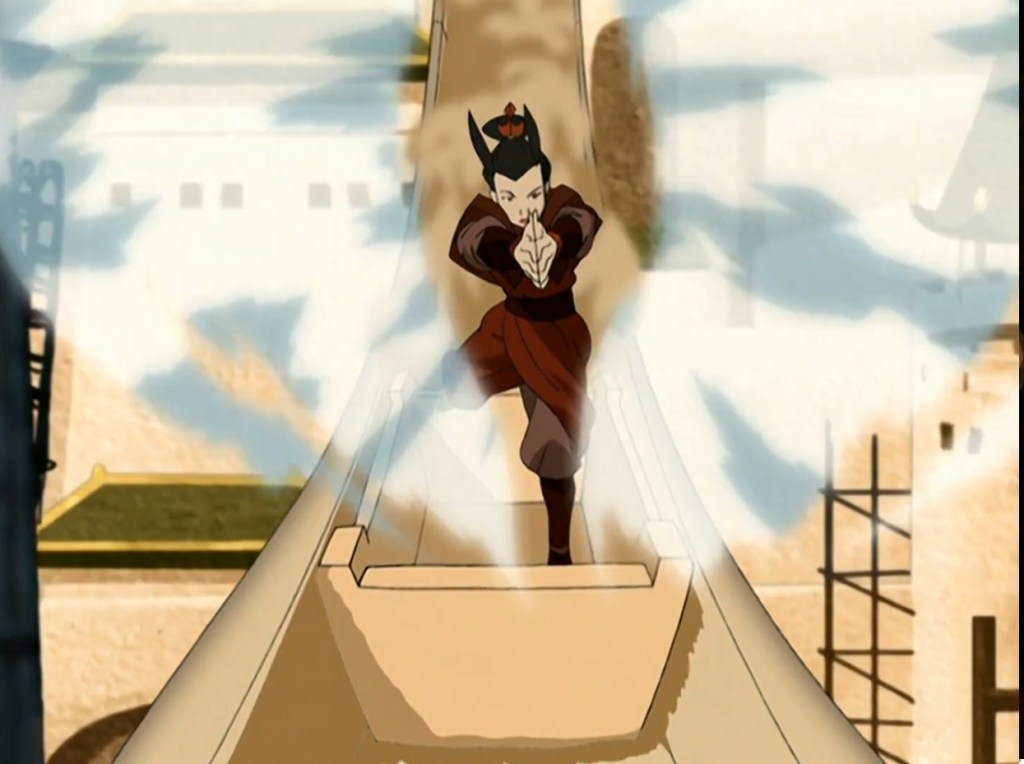
This is the first time the show has ever returned to an earlier environment, and the first real reappearance of a guest character with Bumi. Seeing the city under Fire Nation occupation completely changes what we already know about Omashu, and it sells how powerful the Fire nations reach is. We meet Azula’s sidekicks Mai and Ty Lee, and Azula gets her first fight scene with Aang. The action scene sliding down the slopes of the city is one of the most memorable of the season. Part of me hates the fact that this is ranked in the bottom half, as I absolutely love it, but that’s a credit to how solid season 2 was across the board.
12 – The Avatar State (Episode 1)
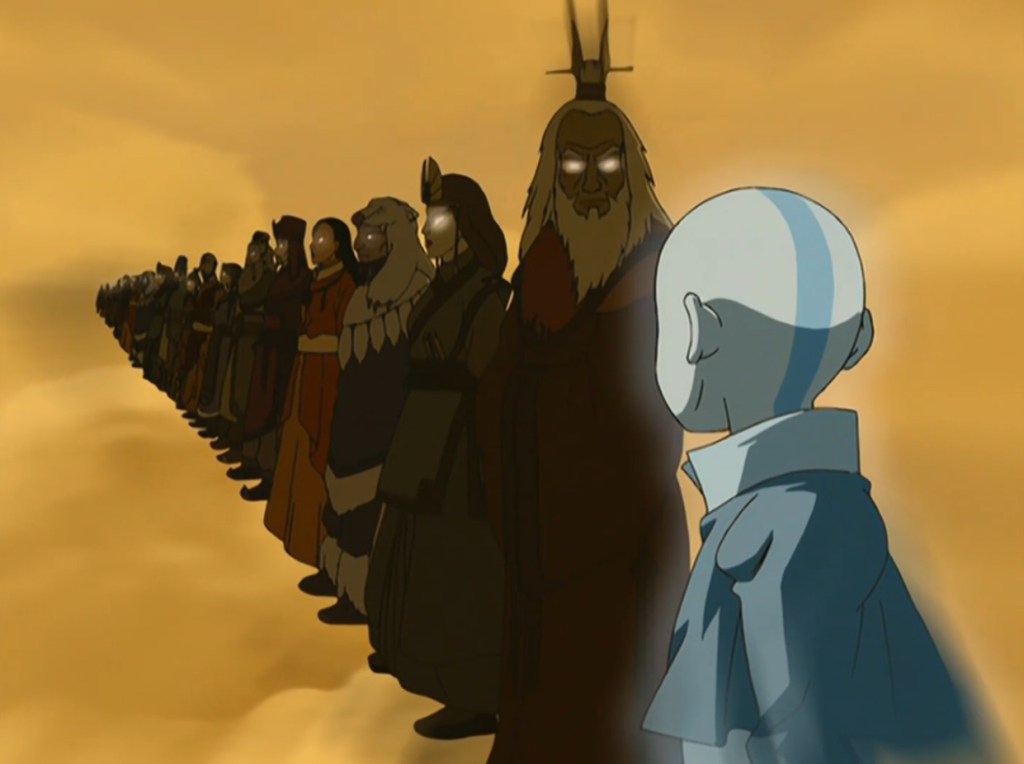
One of the few inconsistencies across the series was how The Avatar state was portrayed from season 1 to season 2. The season 1 finale ends with Aang being all powerful in the state, and then cuts to an almost triumphant victory scene at the end. Then you start season 2 and Aang’s having nightmares about being in the state. He decides it’s too uncontrollable and he never wants to enter it again. I used to think the writers had a change in heart and decided to use Aang’s fear of the state to build drama, but looking at it from a different POV, I think it’s more likely the intention was always to have it be a darker power, but because it was the season finale someone decided the episode and season needed to end on a more upbeat note. Regardless of why it changed, I much prefer the darker and scarier portrayal we get in this episode. Another bonus to this episode is the full introduction of Azula, my favourite character in the series.
11 – The Serpent’s Pass (Episode 12)
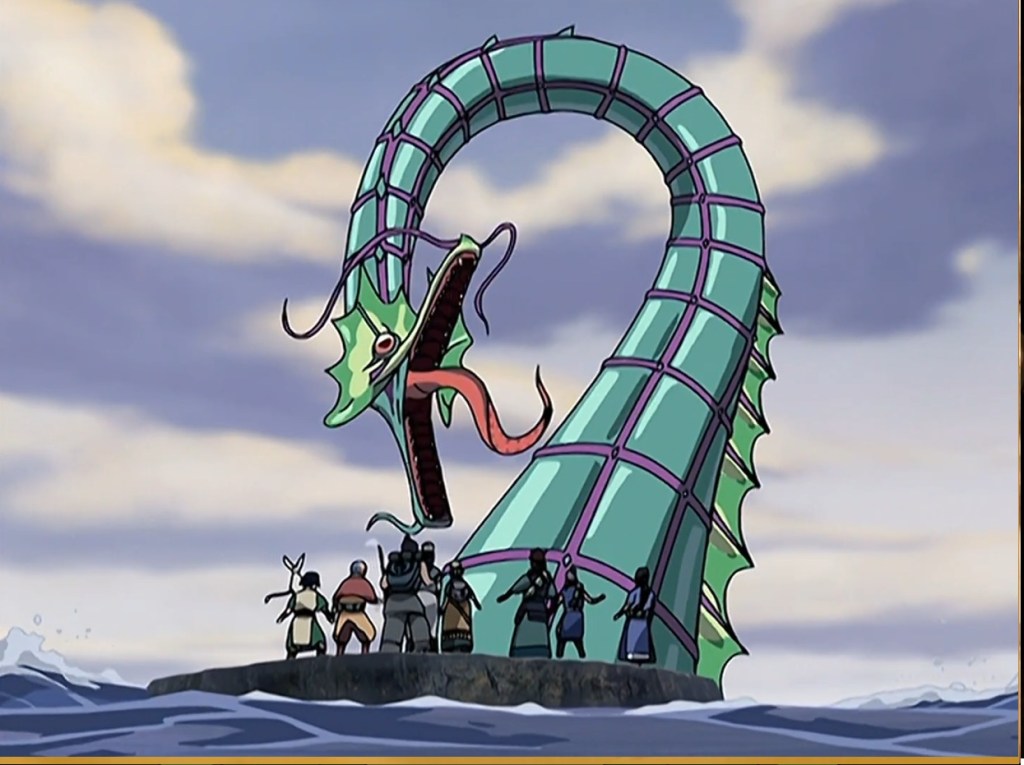
The Serpent’s Pass is the episode of returnees. With the exception of Bumi, no guest star character had made a reappearance yet, and none had joined the main cast in a recurring role. In this one episode we get the return of both Suki and Jet from season 1, but with Suki joining Team Avatar and Jet joining up with Iroh and Zuko. Both are easily more interesting than their initial appearances. Both always struck me as characters only meant to be one offs that were brought back just due to popularity. Thankfully they actually subtly reference Sokka and Yue’s relationship as he meets up with Suki again. The underwater sequence has some of the best use of powers in the series, with Katara and Aang working together to create a bubble to travel underwater and evade the fire nation. While this often presented as a 2 parter with ‘The Drill’ there’s little connection between them other than airing back to back on the initial air date. I will say that this does increase the excitement for ‘The Drill’ even if the stories have very little connection.
10 – Appa’s Lost Days (Episode 16)
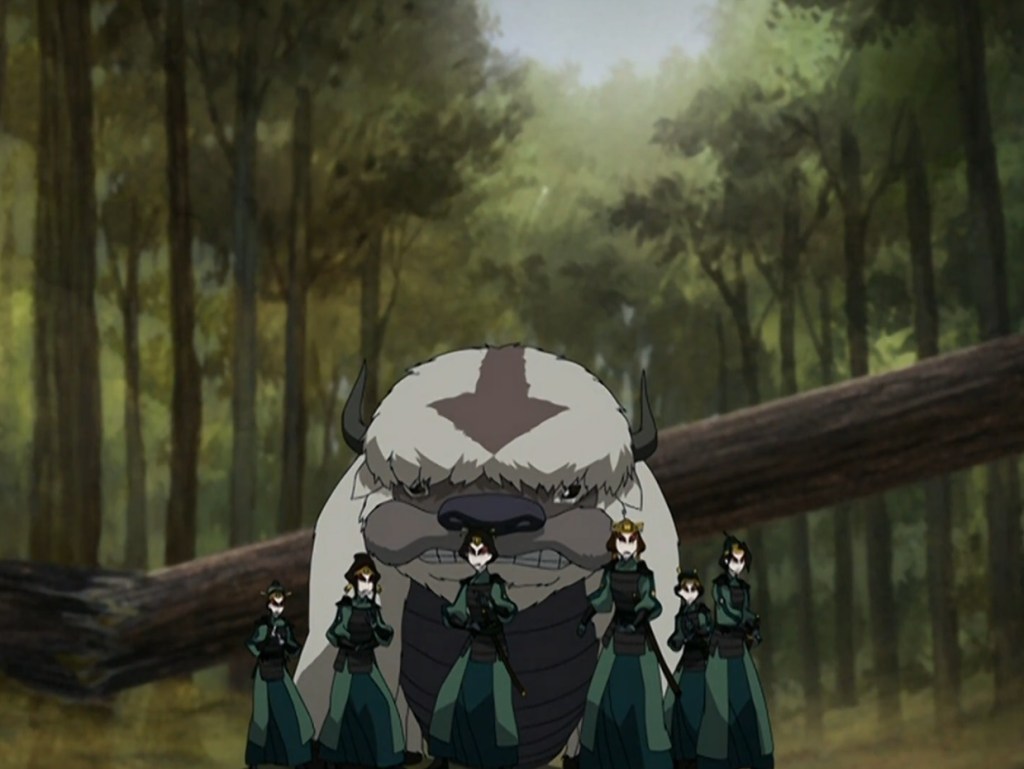
I’ve always wondered whether this started as a segment in the previous episode ‘Tales of Ba Sing Se’ and then they decided there was too much for a short segment, so it was expanded into a full episode. The first couple of scenes are more or less just mini shorts showing Appa’s time in captivity. Where it really takes off is in the latter scenes where Appa encounters Suki and the Kyoshi Warriors, and then his solo trip to the deserted Air Temple. It hadn’t really ever been possible to make a character out of Appa before this. He’s really just a pet and a vehicle for Aang, but the way the show handled his disappearance effecting Aang’s character gave him so much more character and meaning. Now the writers and animators took it one step further by having a silent animal character visit a deserted location, and somehow they managed to get the same emotion out of Appa as any character that speaks.
9 – The Blind Bandit (Episode 6)
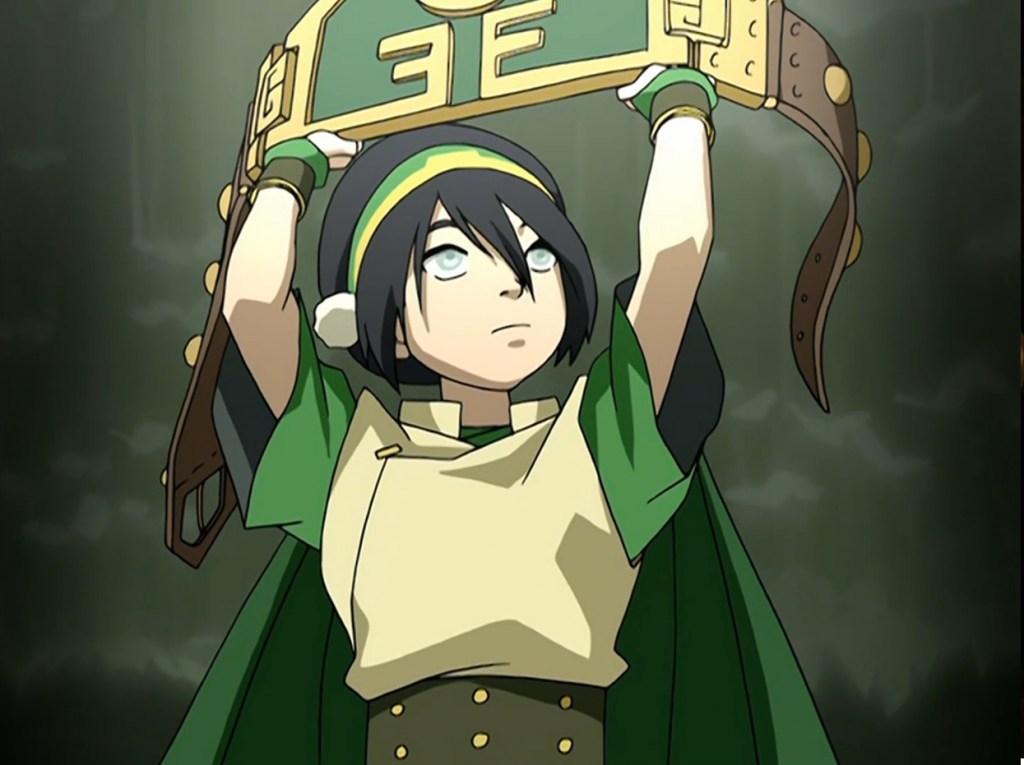
How is it possible that the show introduced a blind sarcastic little girl who instantly holds up against characters that had been developed for over a full season? One reason is that despite her underdog appearance, and her ultra powerful depiction, they never went too far in forcing her on the audience. At this point we’d also seen so many characters being introduced week by week that had never returned, so throwing a brand new main character into the mix was such an unpredictable change of pace. Among the many Star Wars parallels we get the wise master for the hero that is the total physical opposite of what you would expect. Its easy to forget until you see it on a rewatch that Toph’s character comes from nobility and privilege, which is yet another contradiction to what we know of her going forward. She is the character of contradictions in every way, which is probably why she’s so beloved.
8 – Lake Laogai (Episode 17)
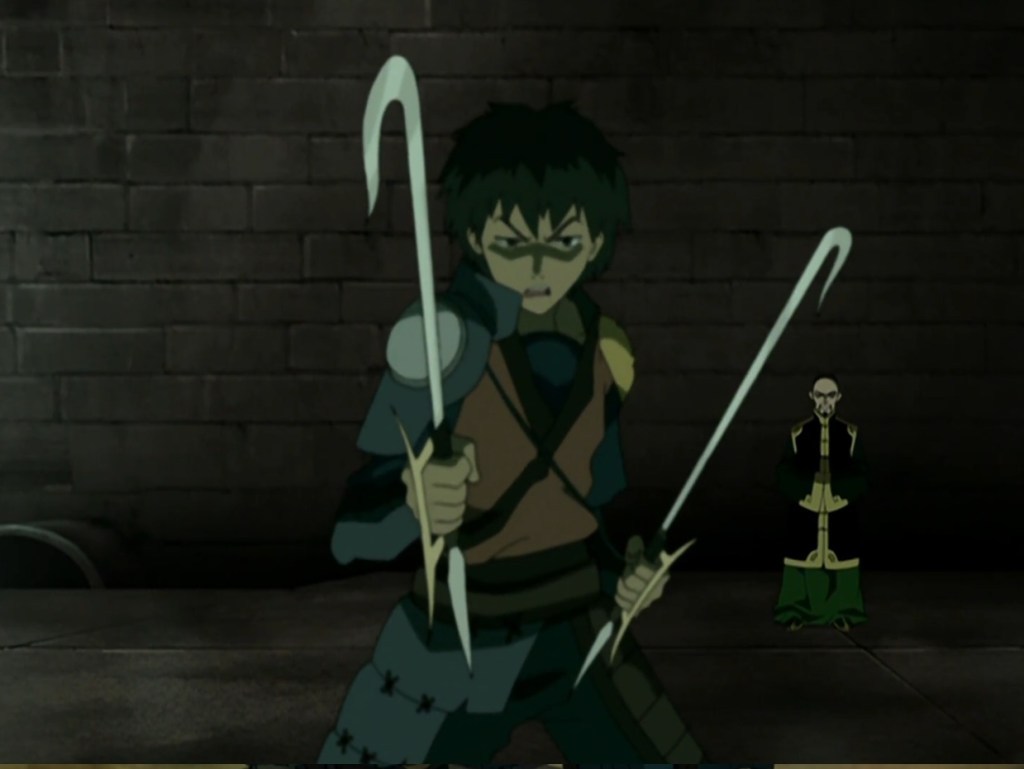
Let’s get the obvious out the way first. Jet’s “death” scene is presented so sloppily that they even dedicated a joke towards it in the next season. Give credit that this is a show that needs to be acceptable for young kids, and I can’t imagine how much network pressure there was to not kill off a “hero” character. What really makes it odd is how they cut around the impact that supposedly kills him, even though much more aggressive action has been shown before, but then you follow it up with him talking like he’s going to be okay, only to never be heard from again. Ultimately this is one bizarre and sloppy moment in an otherwise outstanding story. Aside from the “death” they really did a great job utilizing Jet this time around. His previous episodes with Zuko and Iroh kept the unpredictable nature of his character, and this one increases the unpredictability even more with the brainwashing angle. There’s a mystery to whether Jet can be trusted due to so much of his time before the episode begins being kept off camera. One thing the series Avatar does better than so many other series is using unknown events off camera to build suspense. Lake Laogai might be one of the best examples of this.
7 – The Chase (Episode 8)
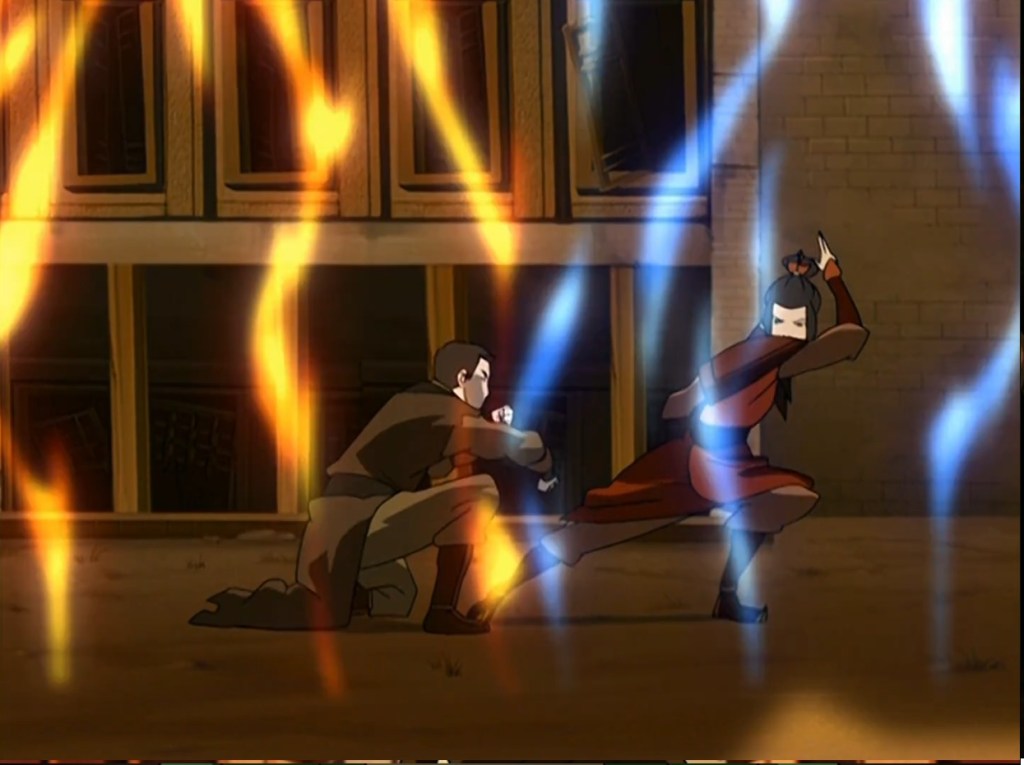
The actual chase in this episode is relatively slow, and I just mean that it’s not a full on action sequence. Just Team Avatar suspecting they’re being followed, and then coming up with a plan to shake their pursuers. This slow burn chase is one of the reasons the 2nd half of the episode is so incredible. With basically no warning at all, and getting close to half way into the season, almost every single character comes together for the first time. The fight scenes are of course solid, but it’s just the excitement of the build as one person after another just shows up that I really love. As far as fight scenes go, this is as big as it will get until at least the finale. While they are completely different episodes it really is required to view back to back with the previous episode ‘Zuko Alone’ to get maximum appreciation.
6 – The Guru (Episode 19)
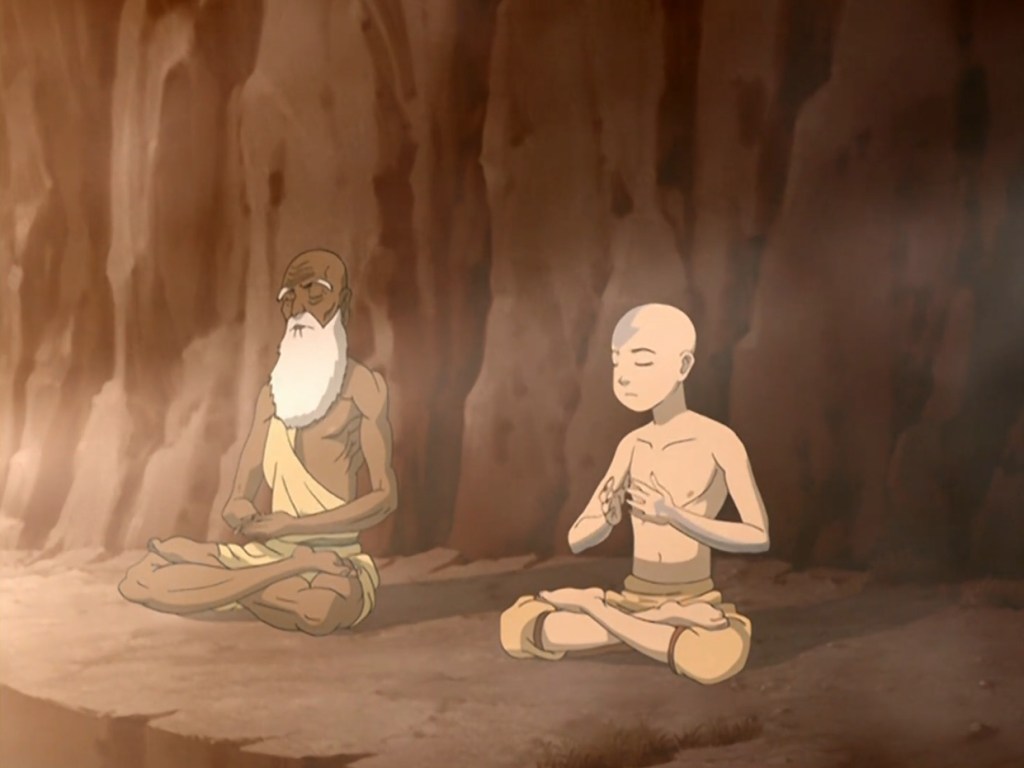
While the majority of this episode focuses on Aang’s spiritual training to safely enter the Avatar state, every other character gets adequate time for their own sub plot. Katara and Sokka are reunited with their father, Toph is kidnapped and has to discover metal bending, Azula, Mai and Ty Lee infiltrate the palace disguised as Kyoshi warriors, and after weeks of living as a refrugee, Zuko finally finds peace before everything gets messed up again. The ending of Aang’s training scenes borrows a lot from the end of Luke’s training in The Empire Strikes Back, but it works just as well here. While the show had addressed Aang’s loneliness before, this was the first time it really touched on his failures and doubts. Specifically the moment where Aang flashes back to his first brush with fire bending in season 1 is one of those moments so dramatic that you forget you’re watching a Nickelodeon caretoon.
5 – The Drill (Episode 13)
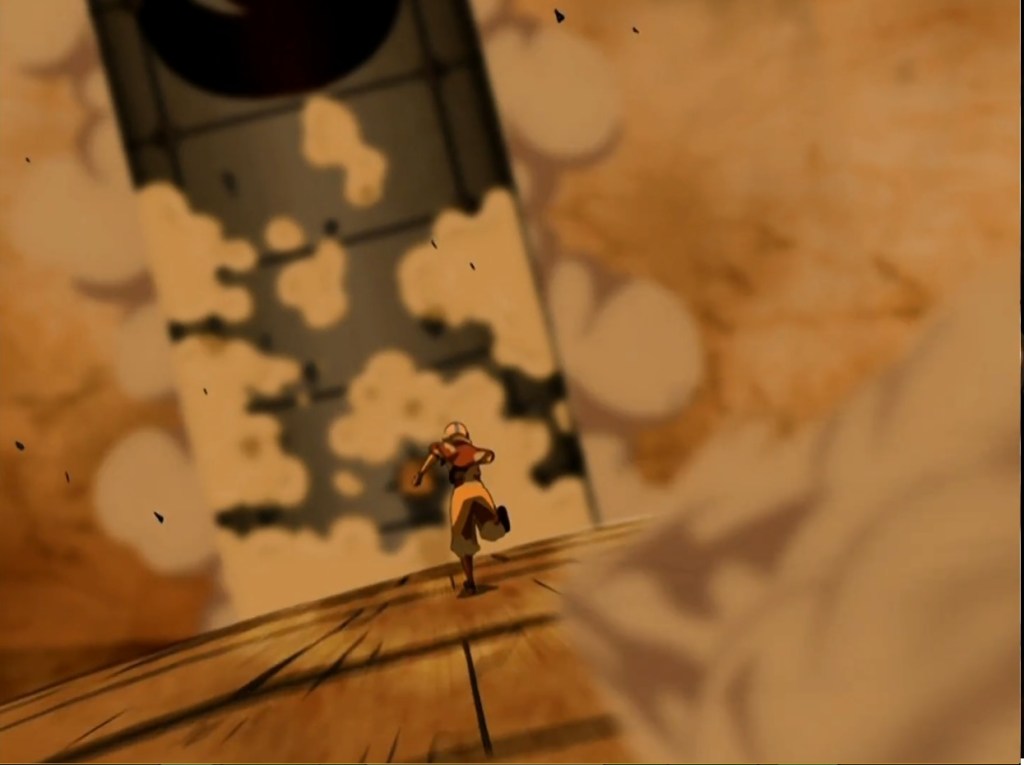
I’ve said it a few times already, but season 2 had the slowest start. This is partly because the audience was already hooked and there was no need to rush any of the action. This works in favor of the 2nd half of the season, especially when you get to The Drill, which is hands down the biggest action episode of the series up until this point. Drawing more comparisons to Lord of the Rings, this is essentially Helm’s Deep. The unconquerable city with impenetrable walls under a huge invasion, but with a steam punk twist. The action inside the drill is just as good as the action on the outside. I particularly like the Katara and Toph combination of water and earth bending to clog the drain. Nothing can really top the second round of Aang and Azula on top of the drill.
4 – The Library (Episode 10)
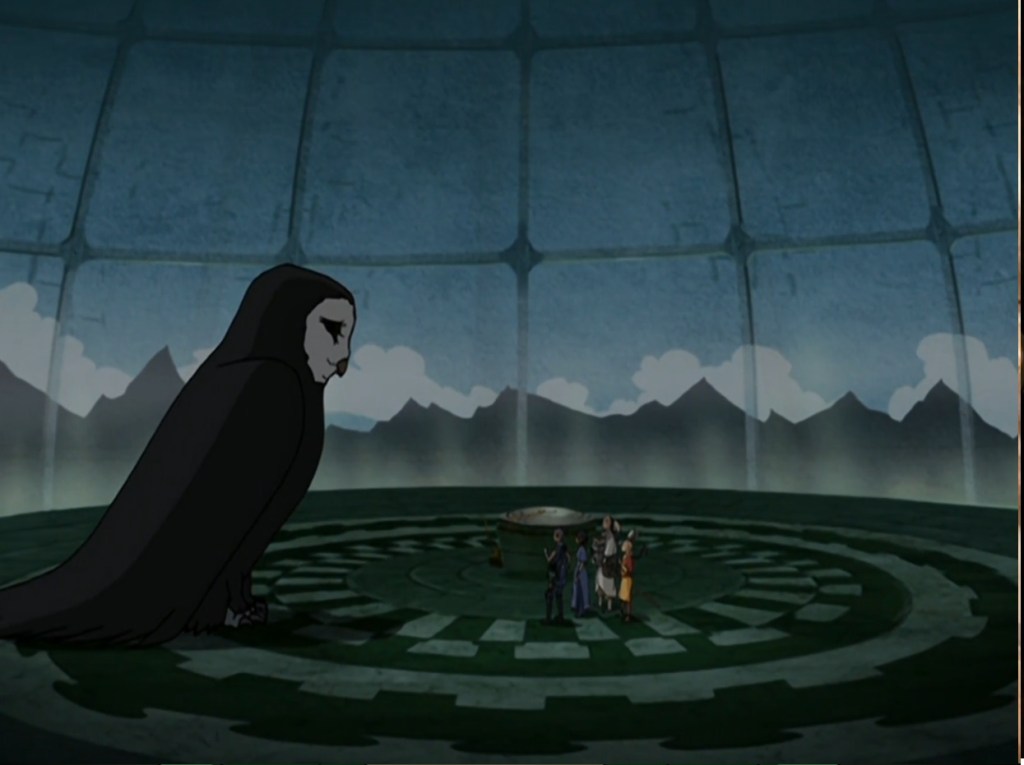
I can remember seeing the show for the first time and reaching The Library, feeling like the show was going to reach a dead end if something big didn’t happen soon, and then being pleasantly blown away with this episode. The initial premise almost convinces you it will be meaningless and dull. Everyone wants to take a vacation (TV code for sidebar story with low stakes) so they search the desert for a library. Literally the least exciting building imaginable in the most lifeless environment. It’s not long before you get a major bombshell dropped about the eclipse that sets up the first bit of hope for the heroes. The setting is very Indiana Jones like, and the action we do have is really based on building tension and suspense. Again going back to my first viewing, I started the episode thinking it might have been the point I lost patience, and it ended up as the point I got fully invested straight to the end.
3 – The Desert (Episode 11)
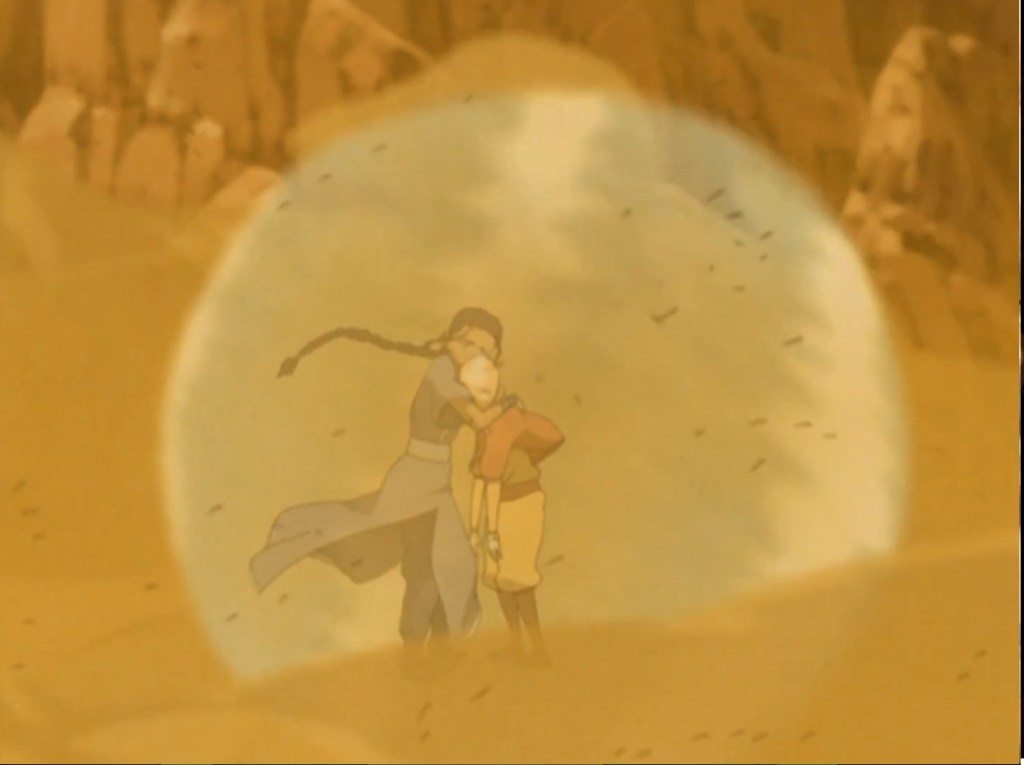
As far as this episode goes, my feels are very similar to The Library. It was really what got me fully invested in the season, and the rest of the series going forward. Aang is such a positive and jovial character that it’s rare we ever get to see the darker side of him. Anytime you can remind the audience that he’s just a little kid who lost everything he knew in the world it’s strong character development. Appa was such a great companion character, but ultimately he’s always been just a pet or vehicle. We don’t even see Appa here, and simply by removing him from the picture, and showing Aang’s grief, it totally changes how the audience views him. Everything with Aang is so heavy here, so it was a smart move to have Sokka basically tripping out on cactus juice to add some comedy. The final moment of Aang re entering the Avatar state is an unbelievably powerful and scary moment. The non verbal response from Katara perfectly sets up the dilemma of entering the state as it moves closer to the end of the season. That one moment is one of my favourite in all 3 seasons.
2 – Zuko Alone (Episode 7)
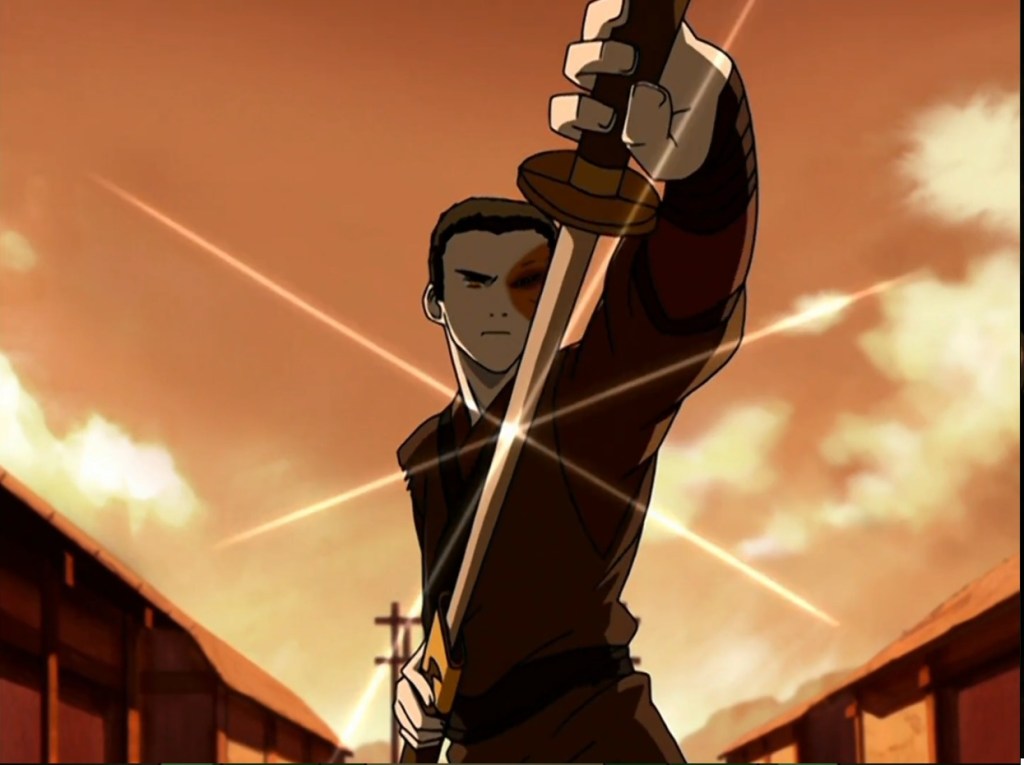
Zuko, who easily has the most complex and interesting back story, gets a solo episode combining childhood flashbacks with a present day Kurosawa inspired adventure. The last time we had a Zuko flashback it was in the months leading up to the start of the series, and was more about how Iroh viewed Zuko’s failure. This time it goes even further back in time and is more about how young Zuko views Iroh’s failure. The start of season 2 was slower for Zuko and Iroh, which was by design, but the fact is there was very little going on until episode 7. In a single episode we get all sides of Zuko shown. His heroic side, his villainous side, his conflicted side, his confused side. You know they were thinking of classic films like The Seven Samurai or Yojimbo while producing Zuko Alone, and as a massive fan of all Kurosawa films, I would honestly put the quality of this episode up there with them.
1 – The Crossroads of Destiny (Episode 20)
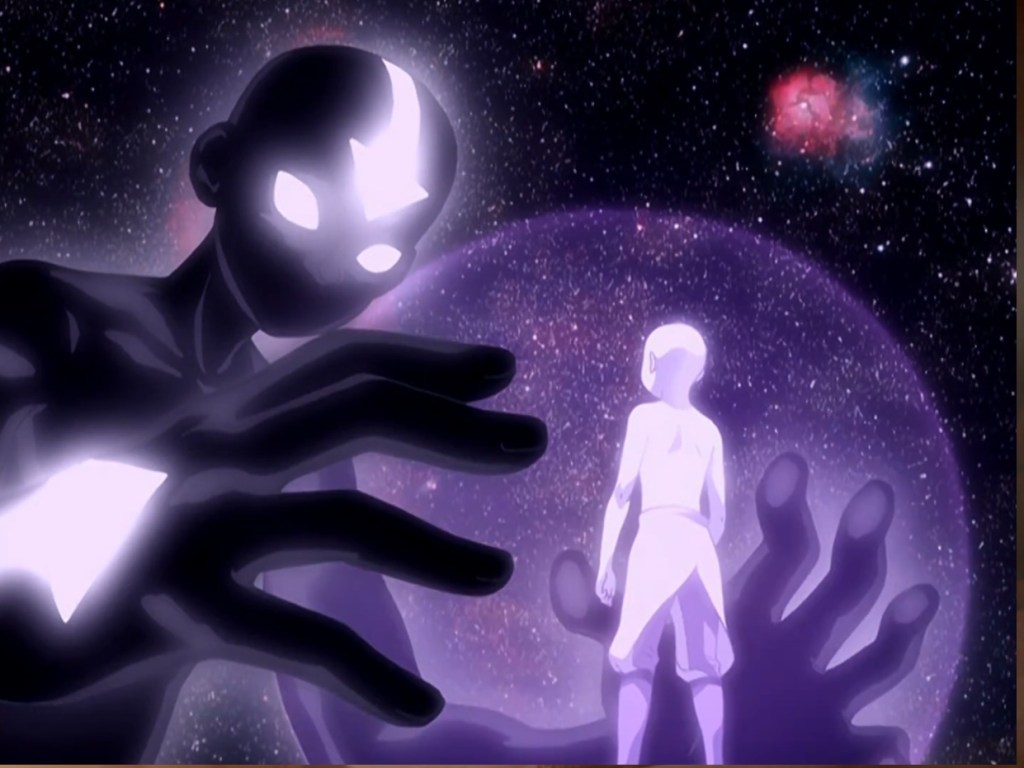
When you compare the final episodes of season 1 to the final episodes of season 2, it’s honestly like night and day. Season 1 as a whole told you what everything was leading toward, and over the final 3 episodes the climax builds more and more. Season 2 does more to setup the half way point of the next season than giving any clue how this one would end. By the time you reach episode 20, you’re 2/3 of the way done and still have no idea how it might wrap up. Zuko’s refugee redemption arc ends up going in a totally different direction. You’ve convinced yourself Aang’s failure in training for the Avatar State in ‘The Guru’ would wind up one way, and the outcome is something else entirely. The final outcome of the season is bleak and unpredictable, especially considering this is a kids show. I always knew this would be ranked at the top for this season, but if I’m ever ambitious enough to rank the entire series, this might be the front runner as my favourite episode ever. And if not the best episode ever, the final 10 minutes has to be the best the show ever produced.
Coming in a few days will be my final ranking of Book Three: Fire.
 Rank This List