
Following my recent rewatch and rankings of The Last Airbender, I’m now moving onto the follow-up series, The Legend of Korra. Debuting 4 years after the finale of The Last Airbender, the sequel series jumped forward decades as it followed the next Avatar through 4 seasons of her own series. Featuring a much more advanced world, modeled heavily off of the 1920s, and new cast of characters, The Legend of Korra received a more polarizing response from fans of The Last Airbender. I personally loved the series, although I can acknowledge some of the criticism it received. There wasn’t the same focus from beginning to end, as each season dealt with its own isolated story. The supporting cast was much more hit and miss, with characters like Tenzin, Jinora, Varrick, and Zaheer being amongst my favourites in every series. Others such as Mako and Asami never seemed to be realized. Korra herself was a different character from Aang in the right ways. She was older, and despite being more powerful on the surface was frequently shown to be outmatched by her villains. The show also dealt with heavier topics such as PTSD, political upheaval, and villains that operated more in a grey area than any in The Last Airbender.
While I ranked each episode of The Last Airbender within the seasons themselves, for The Legend of Korra I set out to watch the entire series in only 3 weeks and rank all 52 episodes at once. The first part of my ranking counts down episodes 52-27, which will be followed by the top 26 episodes.
52 – Remembrances (Season 4, Episode 8)
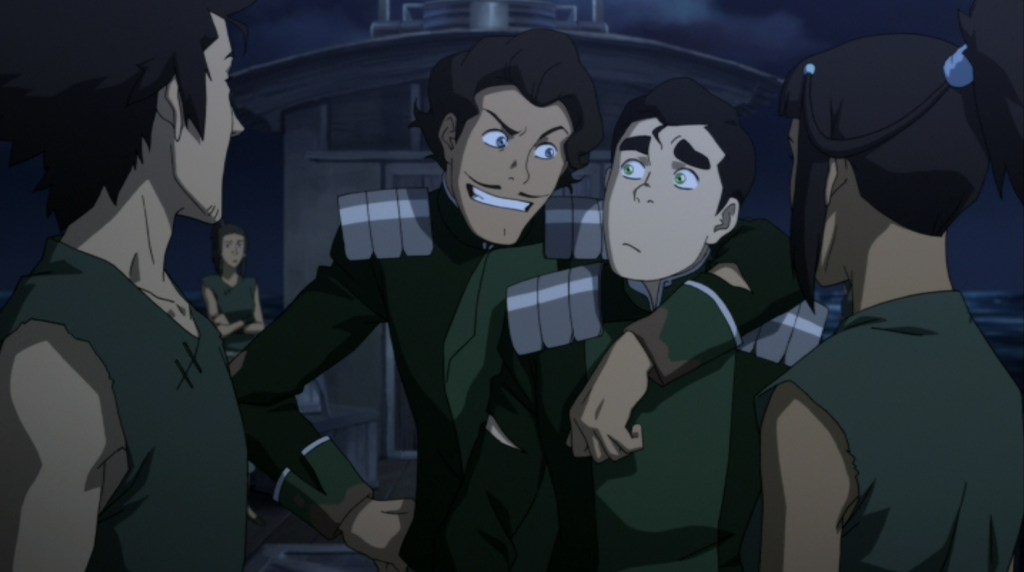
When I ranked The Last Airbender, I defended the close to unanimously voted “worst episode ever” ‘The Great Divide’. Of course The Legend of Korra also has a close to unanimously voted “worst episode ever” and it’s this one. This time I don’t have any defense for it. The best thing I can say about it is by recapping the really poorly executed live triangle between Mako, Asami and Korra into only a few minutes it is much more interesting than sitting through it for over 2 seasons. The Last Airbender also did a recap episode of the whole series, but in that series it was done in a really clever way that never was a clip show. This is basically a clip show with bizarre humor narrating. And I say bizarre humor because Mako is anything but a comical character, so why do they try to make him funny? Korra’s segment is slightly better, but I don’t think we needed another recap of her previous villain battles, as they’re referenced constantly. Of course the Bolin recap is entertaining because it’s narrated (and mostly butchered) by Varrick. As pointless as this episode is, maybe the funniest line in the whole series comes as Varrick describes Unalaq as “diabolical but incredibly boring and unpopular”. It’s a nod to fan opinions as funny as when The Last Airbender’s recap referenced the fan criticisms of The Great Divide and Jet’s “death” within the show.
51 – The Spirit of Competition (Season 1, Episode 5)
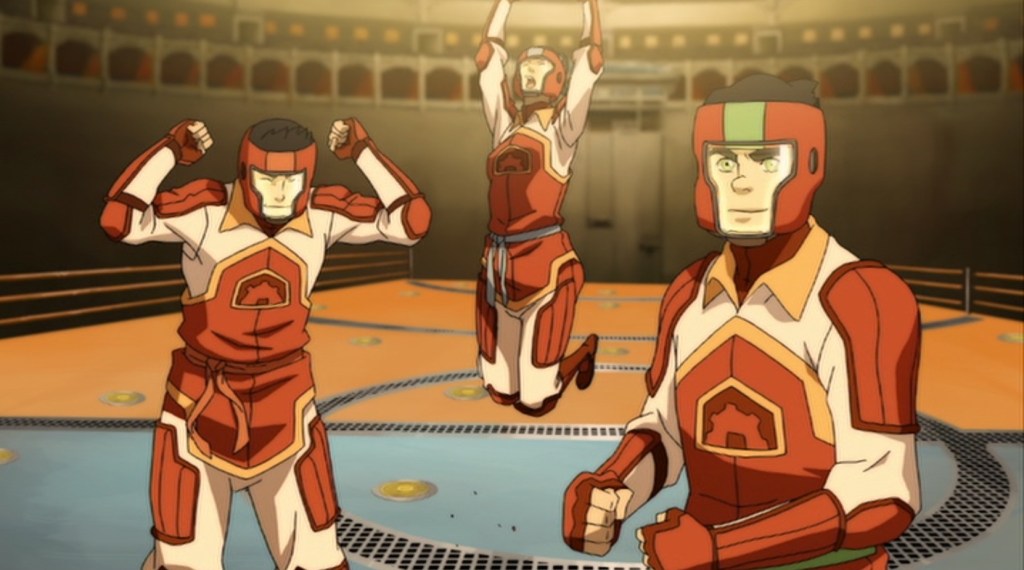
I can count myself among the many critics of the Pro-bending sport in Season 1. It’s fine, but there’s too much of it, and it’s pretty low stakes. The previous episode really escalated the Equalists plot, and it brought Korra to her lowest point, so why are we back to practice for a Pro-Bending tournament? It’s just unfortunate that the 2 things that are least interesting in this season have to fill the entire episode, the teen romance and the Pro-Bending games. It’s the kind of filler you can’t even get mad it. You just couldn’t care less.
50 – Rebel Spirit (Season 2, Episode 1)
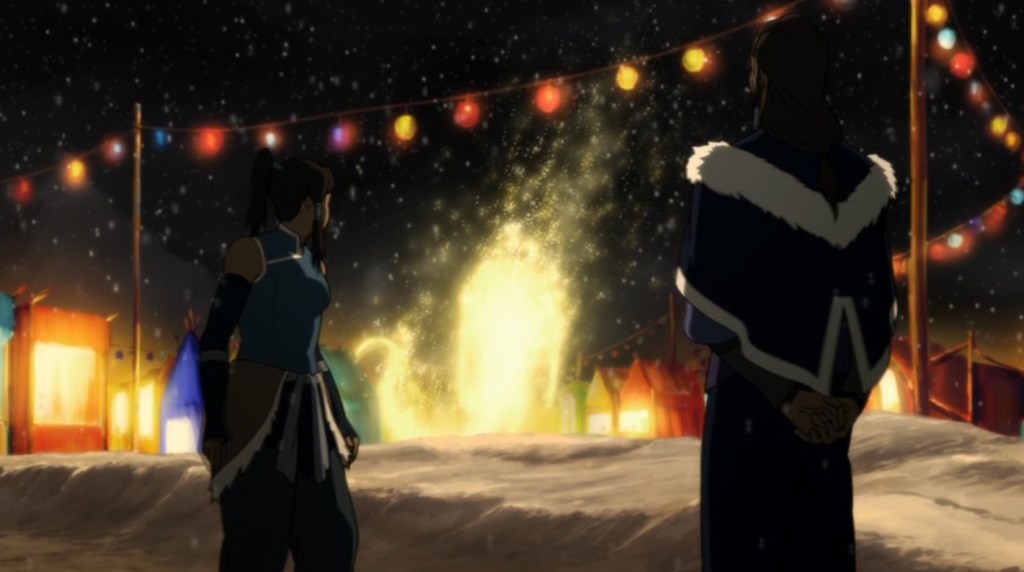
Season 2 doesn’t get a lot of love. I think there’s a lot of good and a lot of bad. It definitely got off to a rough start with the premiere. A 6 month time jump from the previous season makes this by far the biggest time jump in either TV series up until this point. It’s basically starting over again, and not everything is a hit. Why are they suddenly trying to make Mako comic relief? Bolin already fills that role to a much lesser extent than Sokka did in the original series. Now Mako is a poor man’s Bolin who is a poor man’s Sokka. There is a unique hook with an attack from an aggressive spirit, and Korra abruptly leaving Tenzin for a new master in Unalaq, but it happens way too quickly to be believable. Overall the premiere is a such a soft opening to the season.
49 – The Original Airbenders (Season 3, Episode 7)
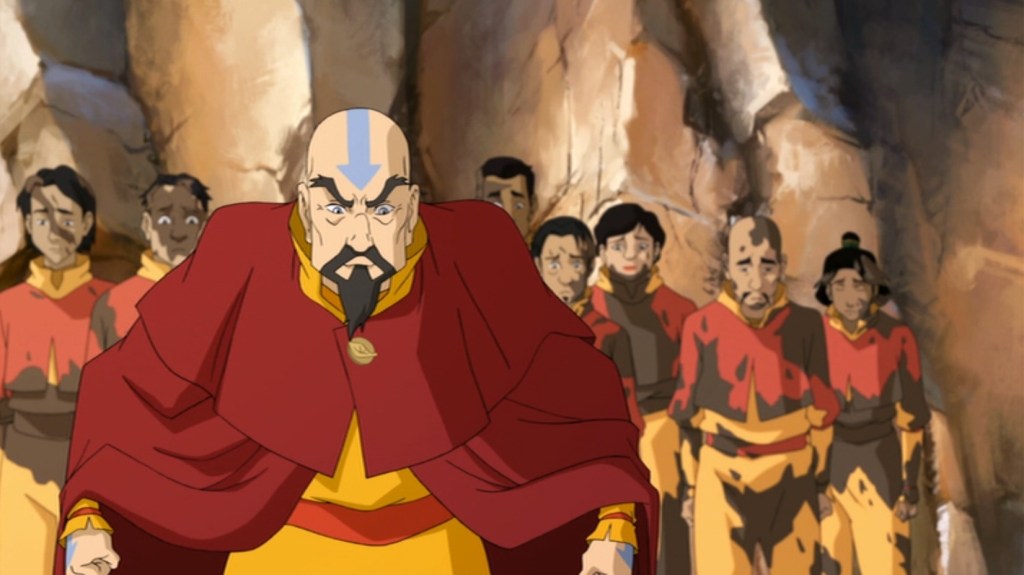
Even a season as nearly perfect as Book 3 still has the obvious weak point, and I think most would agree that would be ‘The Original Airbenders’. In fairness it is a story that sort of needs to be told, showing how Tenzin would rebuild the Air Nation, but we only have a handful of juvenile characters who have barely been introduced. There is Bumi, but he’s mostly comic relief. The best thing in the episode is Tenzin’s struggle with managing so many inexperienced students, but the tone doesn’t exactly lend itself to drama. In the end everyone comes together to fight off some Air Bison bandits. It’s actually one of the episodes most like The Last Airbender, but more like the filler episodes of The Last Airbender. There is a bit of a difference though as Airbender had 20 episodes a season to fill as opposed to only 13 in Korra. It’s a little harder to forgive mediocre filler when there are fewer episodes.
48 – The Sting (Season 2, Episode 6)
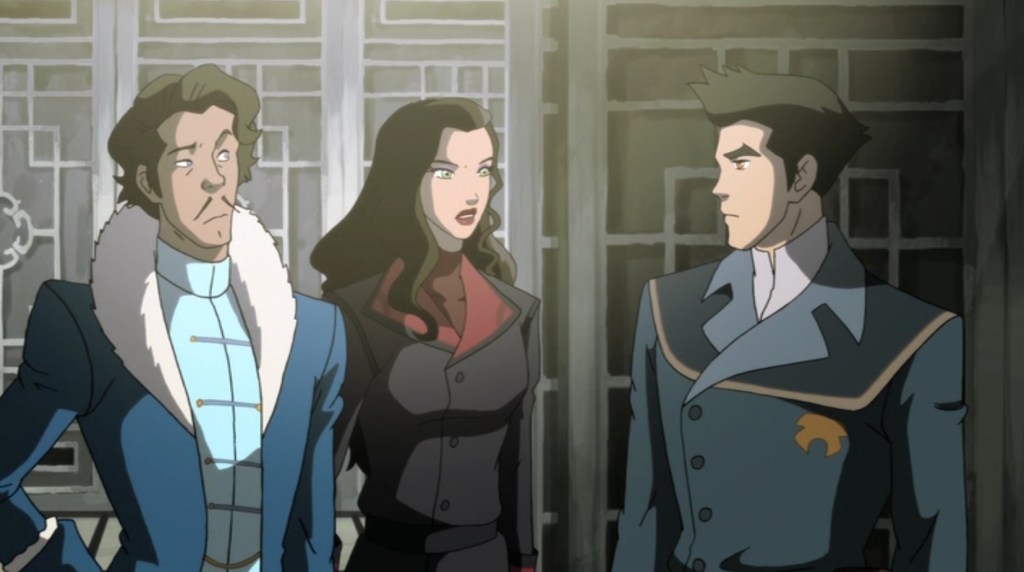
It’s an almost completely Korra-less episode, and the positive of that is the other characters like Mako, Bolin, Asami and Varrick are finally given some development. The storyline is a bit of a standard investigation into who is sabotaging Asami’s company, but the twist of Varrick’s involvement is great simply because of how entertaining he is as a character. The final scene reveals why Korra has been absent, and although it’s considered a bit of a cheap plot device, the amnesia does make things more interesting going forward into the next few episodes.
47 – The Southern Lights (Season 2, Episode 2)
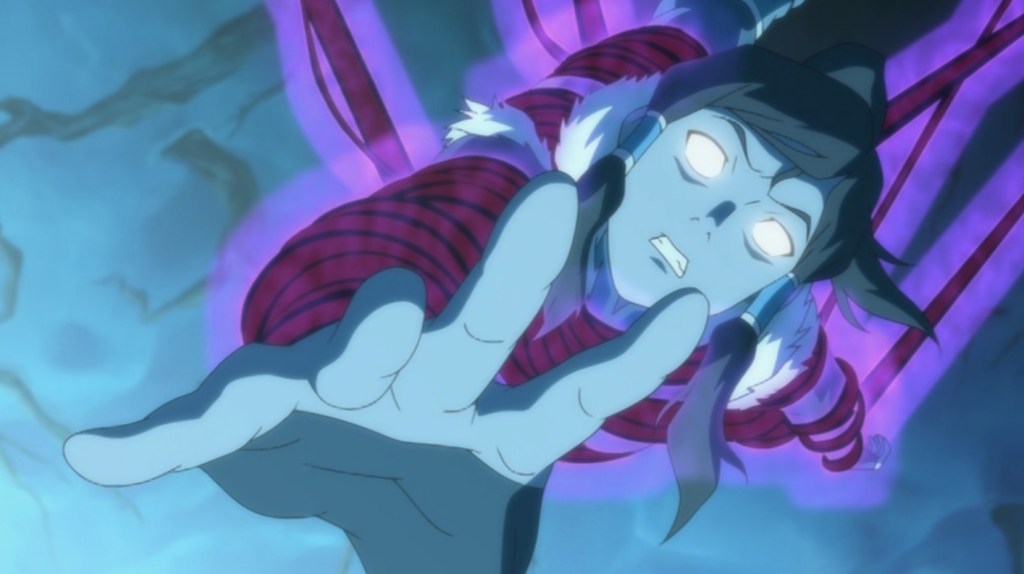
I really like the idea of the warring Water tribes in season 2, but it might have been rushed too much early in the season. The positive is that we get to explore the southern territory, which had not been seen much even in The Last Airbender. The negative is the more interesting part of the episode, the feud between the tribes and the brothers ends up taking a back seat to a sequence of Korra interacting with spirits, and when it wraps up I was left thinking “Is that it?”
46 – The Voice in the Night (Season 1, Episode 4)
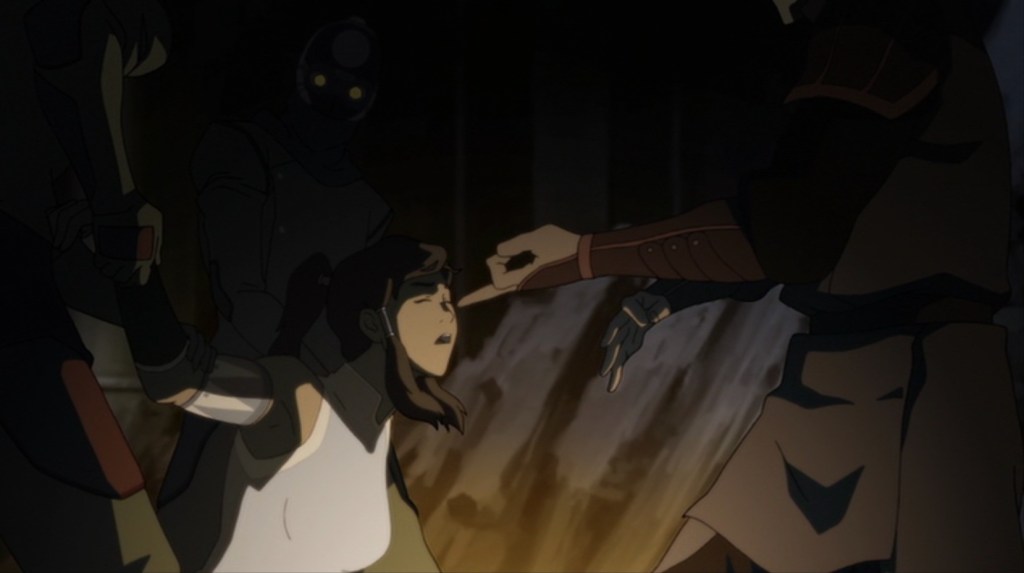
The original Avatar series was definitely a serialized show, with the entire series following one main plot line, and each season having 1-2 more specific plots. The Legend of Korra introduced its season long plot at the end of the previous episode with the introduction of Amon’s ability to remove bending abilities. Sadly this episode makes it clear there will be more focus on the multi episode arc of raising money for Korra’s Pro-Bending sports franchise….. Yeah….. This is used to introduce Asami into the show, who sadly just complicates an already unnecessary love triangle by making it a love square, or maybe two triangles…. So like a love diamond? Regardless of what it is, no one really cares. The mediocrity has a big turnaround when Korra joins the task force against the Equalists. It has a cool parallel to the Untouchables. Then the first real obstacle for Korra as a character comes when she rushes into a confrontation with Amon, he basically has her in a defeated position, and then spares her from taking her bending away. The final moment of Korra breaking down with Tenzin is one of the best dramatic moments of the season.
45 – The Coronation (Season 4, Episode 3)
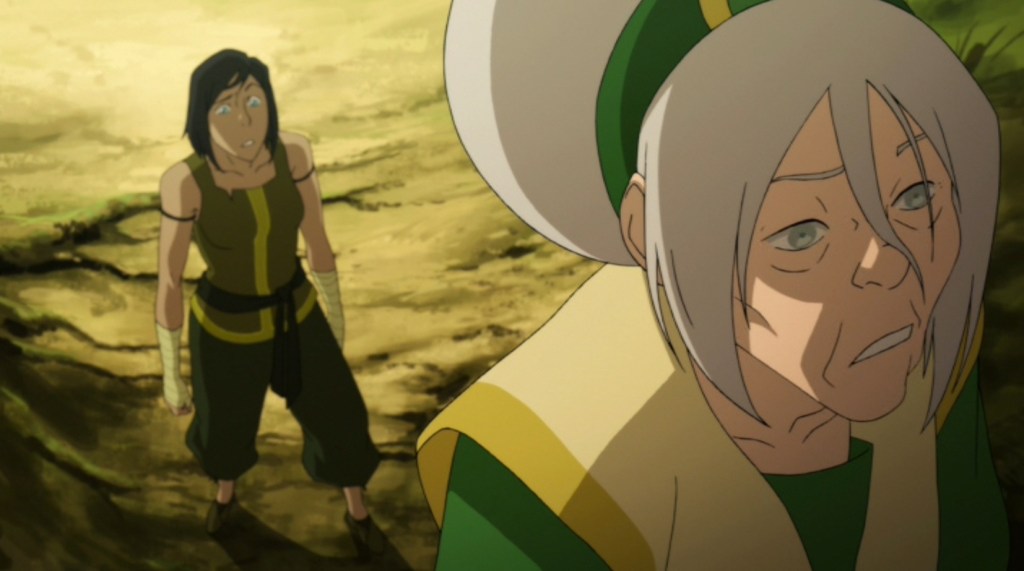
There are plenty of training episodes across both Avatar series, and this is definitely another one of them. Maybe it’s because this is 4 seasons into Korra, 7 seasons into the franchise, and you can only show someone training so much before it loses its appeal. It’s fun to see Toph again, especially since her character has barely changed despite it being decades later, but I actually enjoyed the side plot of the Prince’s Coronation and Kuvira’s proclaiming herself as the true leader even more. And I don’t even LOVE that side plot. It’s one of the weakest episodes of season 4. I will give credit that the grey area of Kuvira as a character makes for some really good debate scenes between Bolin and Mako.
44 – The Earth Queen (Season 3, Episode 3)
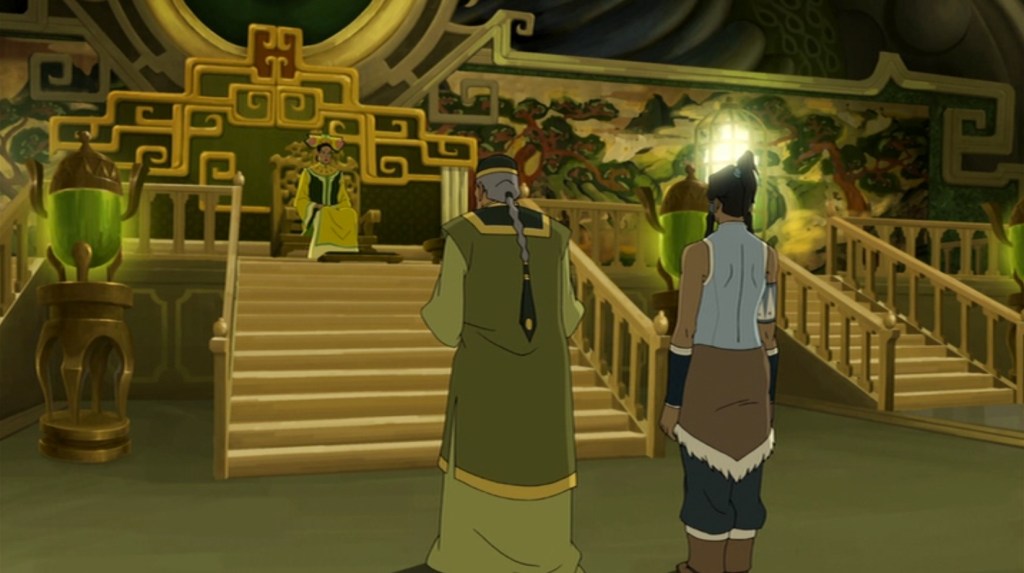
Going back to Ba Sing Se is a treat as it was the environment The Last Airbender probably spent the longest time exploring. Although the characters go out of their way to mention how different the lower rings are, I like that the city itself, including the politics, is as close to what we saw in the original series. Mako and Bolin get to explore their heritage a little after meeting their estranged family, which is especially necessary to give Mako a bit of personality. Into the 3rd season and he’s still yet to stand out as a character. This episode is most well known for featuring the return of Zuko, and as cool as it is to have him back, I find there’s a bit of a bias among fans as soon as you reintroduce a legacy character. This is mostly a filler episode, with 3 or 4 stories all going on at once. While that’s fine, it’s by no means a classic just because Zuko happens to show up.
43 – Civil Wars Part 1 (Season 2, Episode 3)
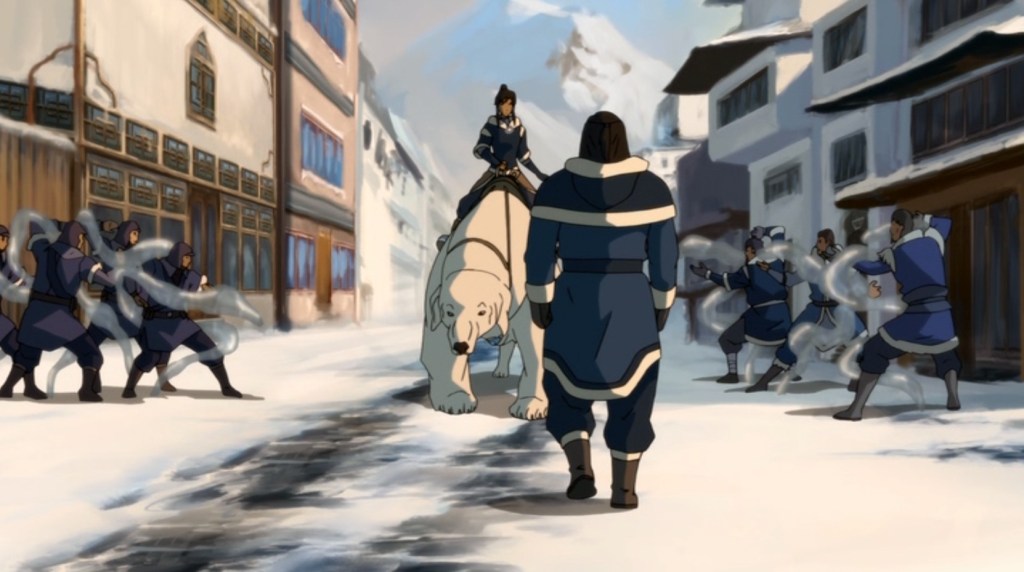
The lead up to this 2 parter had great ideas that were rushed and poorly executed. It might have worked better placed in the middle of the season instead of the beginning. Nothing about Unalaq’s motivations really make sense, and Korra’s response to him seems extremely slow. It could have been a big story arc, but everything is told so slow and uneventful. I would almost look at the first 4 episodes of the 2nd season as it’s own mini movie. I’m not opposed to have a B plot involving Tenzin and his siblings Kya and Bumi, but it’s such a light story in comparison to a full blown civil war escalating in Korra’s story. I do appreciate Korra’s parents getting development and a good dramatic arc.
42 – Reunion (Season 4, Episode 7)
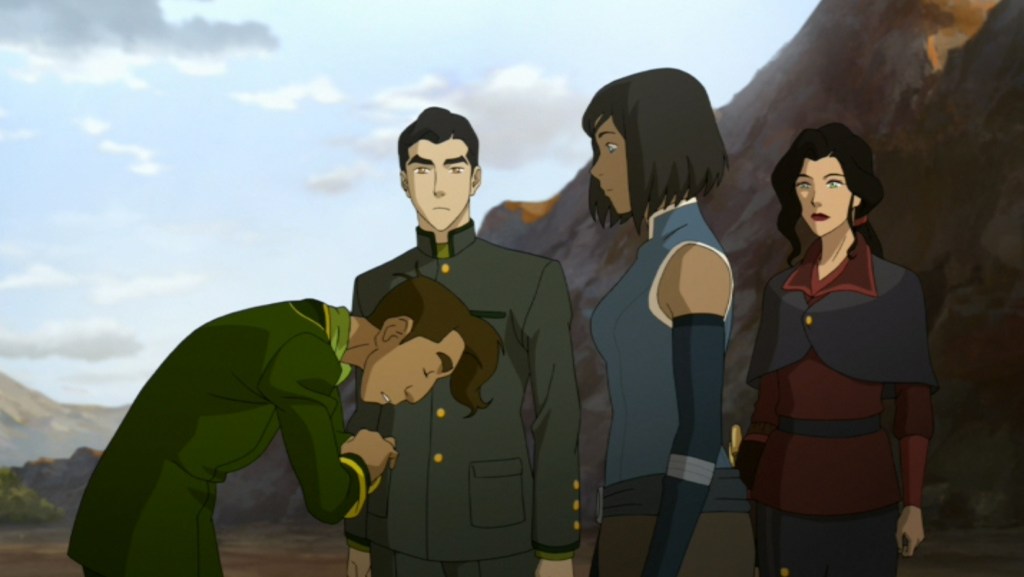
I’ll talk about the good first. Varrick and Bolin on the run continues to be amazing. They’re both so entertaining to watch, and even better together. The plot of Prince Wu being kidnapped also works. I really like how season 4 was about power struggles between leaders, and not all of them are necessarily great leaders. They could have made Wu some great heroic prince, but it actually works better making him an unlikeable and useless leader. Now the bad. I think we really needed something bigger or deeper for Korra to be involved in after the previous episode where she barely escaped with her life. Why is it just a chummy reunion with her team? And Korra’s team has never really felt like a great group in the first place, partly because none of these characters ever seen to come together unless it’s a finale or a bit of a throwaway story like this one. Addressing the Asami relationship, we’re half way through the final season Asami and Korra are suddenly this tight? They opened the season implying they’ve been writing letters for years, but in the 3 seasons prior I don’t even think I could fill both hands if I were counting the amount of real interactions they had. I get the writers wanted to do more with them before this, but it really comes across as random and too little too late. Just to end off on some more good, Korra’s new power of being able to track people through touch is new and interesting, and gives us a reason to not feel that Korra has no hope in what is a pretty dark and gloomy season for her as a character.
41 – Welcome to Republic City (Season 1, Episode 1)
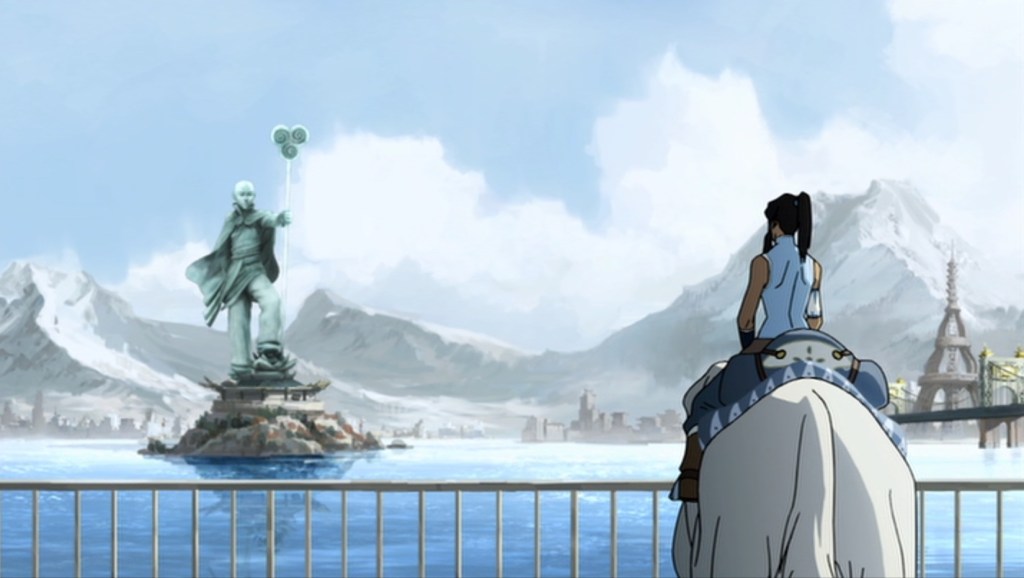
You know 60 seconds in that this won’t be a repeat of The Last Airbender, as Korra masters bending 3 elements in the opening sequence. You also know 5 minutes in that despite Korra being a slightly older character than Aang, there would still be an energy, humour and immaturity to her as a character. The rest of the episode crams a lot in there. Maybe a little too much. Korra goes to the Air Temple to study the spiritual side of bending under Tenzin, but he says he has to leave for Republic City. She goes after him, gets arrested by Lin Beifong, appeals to Tenzin to stay, learn from him and help restore order, and makes a public appearance as the Avatar for the first time. All the while they setup the best hook of this series, the anti bending group. Some things could have been sped up, like waiting on Tenzin’s introduction until closer to the end, and Beifong didn’t need to be introduced in episode 1. It only serves the purpose of giving the fans of Avatar a connection to Toph and the previous series. The final scene introducing Amon as the villain is really effective.
40 – The Guide (Season 2, Episode 9)
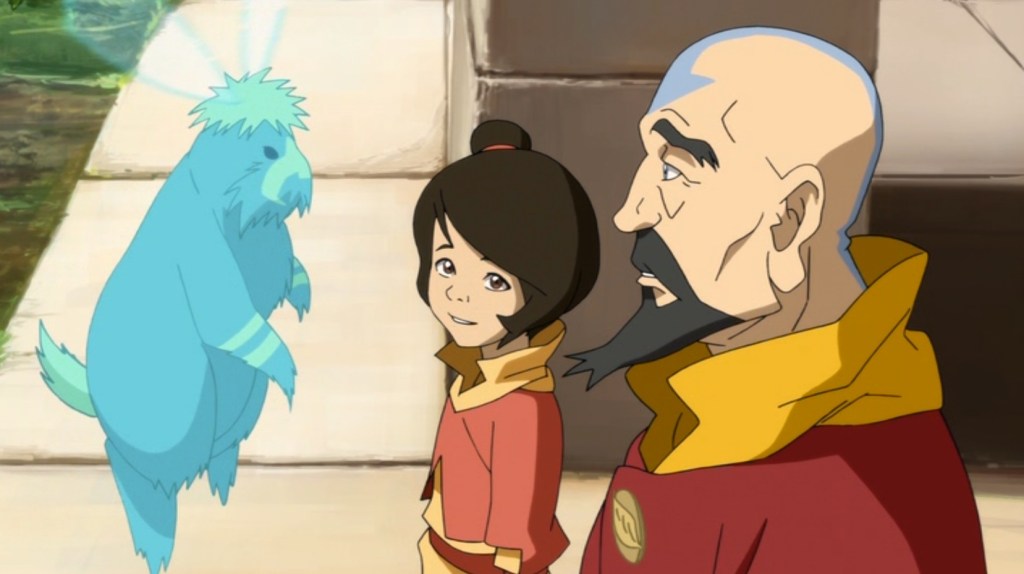
Unalaq and the twins travel by themselves to the northern portal and try to open it by water bending. This is one of the many reasons Unalaq is a weak villain. So he manipulates the Avatar with ease to open one portal, and also manages to invade the southern tribe and start a war, but suddenly he looks like a fool trying to blast it with some water. It’s good to have Korra reunited with Tenzin for the first time since the start of the season. His attempt at training her to enter the spirit world takes an unexpected turn when he reveals he has never been able to do it himself, meanwhile his little daughter Jinora can communicate with spirits with ease. It gives some purpose to the kids finally. Then the weak part of the episode is Mako getting arrested. It’s bad enough to have him and Asami back together again. I would be excited that there’s something interesting happening with Mako, but I really can’t be forced to care.
39 – A New Spiritual Age (Season 2, Episode 10)
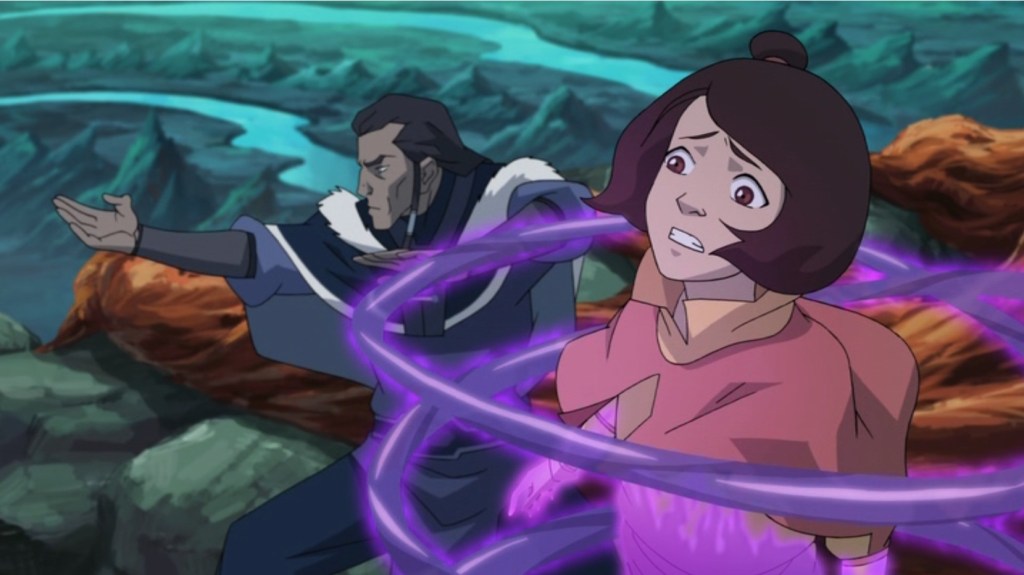
I have issues with the spirit world depictions in both series. In a season aw heavily focused on the spirits, there’s almost no mystery left. There is a lot of your typical weird creatures being presented in too funny of a way. They even go far enough to have an Alice in Wonderland style tea party. The one good decision was to have Korra reverting to a child like form, and having her positive and negative emotions able to effect the environment. I’m not as thrilled by the return of Uncle Iroh either. He’s a great character from the original series, but it’s a little too obvious as nostalgia baiting. Jinora’s side of the story also plays on nostalgia for the original series, with her entering the library from The Last Airbender. The saving grace is having her encounter Unalaq there, and the showdown between Korra and Unalaq. I guess in the end my issue is that this should not have been a whole episode. Give the spirit world half an episode.
38 – A Leaf in the Wind (Season 1, Episode 2)
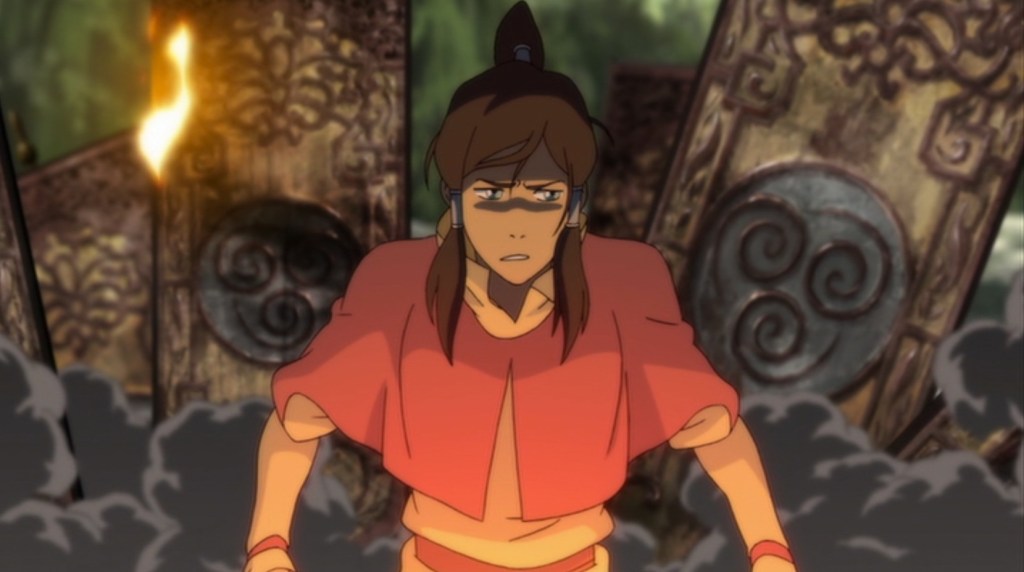
After a slightly overstuffed premiere, the 2nd episode gives you something very standard for the franchise. It’s Korra learning to air bend, and seeing as she already mastered the other elements over years, this will be the only time she has a training episode similar to what Aang had during the previous series. All future training episodes will focus on more niche skills. The other half of this episode is the introduction of the Pro-Bending sport. I don’t mind the Pro-Bending as it reminds me of Toph’s intro in season 2 of Avatar, but I find there will just be way too much of it going forward. It does work here because it ties into Korra’s airbending struggles, and shows her ability to find unconventional ways to master her skills. Mako and Bolin are a little dull in their introduction. Mako will continue to be dull for 50 more episodes to follow this.
37 – Enemy at the Gates (Season 4, Episode 5)
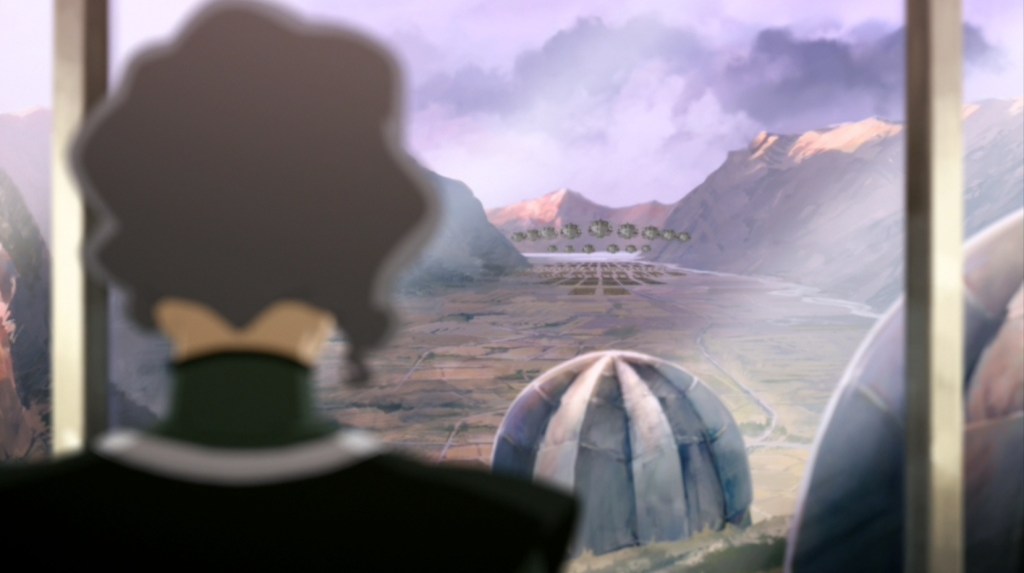
There are a lot of similarities between seasons 2 and 4, and this episode is where the similarities are most obvious. A leader who at first is viewed as good, and even has Korra partly on their side, stages a full scale invasion. Both have the majority of the action take place off camera. Both are more about 2 feuding leaders with Korra placed in the middle of the conflict. While this is the episode where everyone on their own comes to the conclusion that Kuvira can’t be trusted, it’s mostly a dialogue heavy episode to escalate the political conflict, with minimal action that’s reserved for a short fight scene with minor characters in mecha suits. This is a “build the tension” episode to setup the much bigger battle to follow, and it does an adequate job of doing it. There are a few really strong moments in a slightly above average episode.
36 – Civil Wars Part 2 (Season 2, Episode 4)
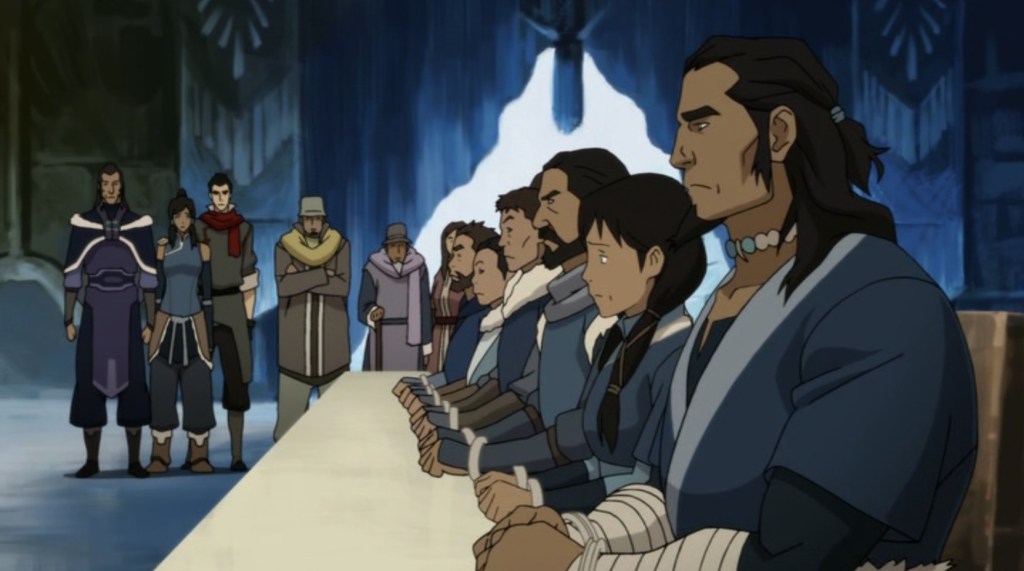
I’m ok with a big story arc about a civil war not really featuring any action. I actually like the idea of an episode focused on a war trial. So why don’t we even get that? It’s like 1 brief scene and then a sentencing. A war trial is something neither series had ever attempted, and it easily could have carried the whole episode, if not multiple. The full reveal of all of Unalaq’s manipulations was way too obvious to carry any real drama. Thankfully there is one great sequence as Korra and gang get past the blockade of ships in the escape sequence. It’s good to have the initial block of episodes over and done with as the tease of the next block is much more intriguing.
35 – Long Live the Queen (Season 3, Episode 10)
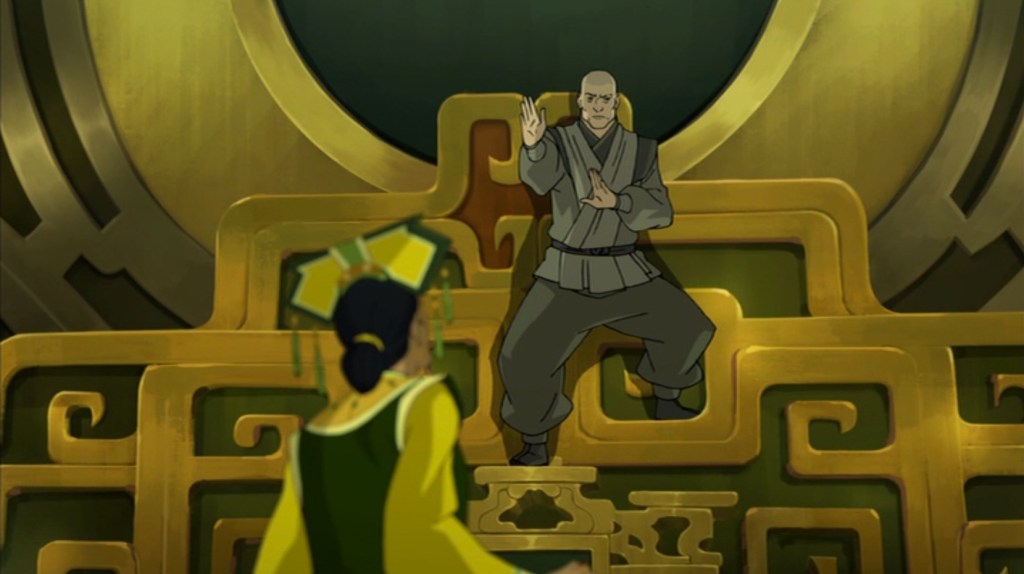
There has been a long gap since The Earth Queen was prominently featured in an episode, although there have been enough mentions of her that she maintained a presence as a secondary villain. Having Korra and Asami working together with their captors after crashing in the desert is a really original idea. Zaheer’s assassination of the Earth Queen and the chaos in Ba Sing Se mostly happens off camera, which sometimes can be a more dramatic way of handling events, but here I feel it’s frustrating. I’m sure it came down to Nickelodeon being hesitant to show an on screen death much like the infamous Jet “death scene” in The Last Airbender. It’s frustrating because I feel Zaheer taking out another political powerful villain would make for a big moment. It gets a little flatter as Korra eventually finds out what happened and her final line is really nothing more than “Oh, it’s the Red Lotus. They’ve been trying to take me out since I was a child”. It’s an expository line with no dramatic delivery.
34 – The Aftermath (Season 1, Episode 7)
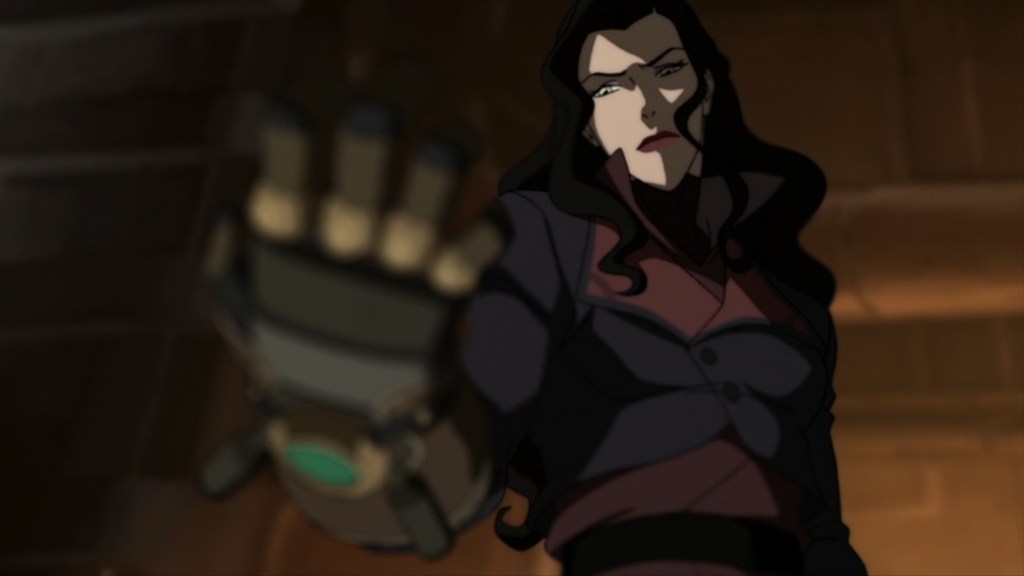
There’s a very interesting idea in this episode, but the execution isn’t perfect. I love that after Amon’s attack on the arena there’s a public blame game being played, with Beifong taking heat for not doing enough to stop the attack, and Korra leading an investigation into Asami’s father as a supporter and weapons manufacturer of The Equalists. This brings some necessary purpose to Asami’s character, and gives the conflict between her and Korra a little more substance. My issue with this episode is the discovery of Hiroshi’s involvement is discovered too quickly. Just when it was getting interesting exploring Beifong being a scapegoat, and Korra looking like a bitter person throwing accusations, it’s all resolved too quickly. I would have loved for it to play out over multiple episodes, but I would have settled for at least more time within this episode dealing with these conflicts. And Hiroshi explains his reasoning for joining Amon in an unconvincing way. His invitation to have Asami join him also should have played out through more of the season. Everything here is great, it just could have been split into two episodes.
33 – The Calling (Season 4, Episode 4)
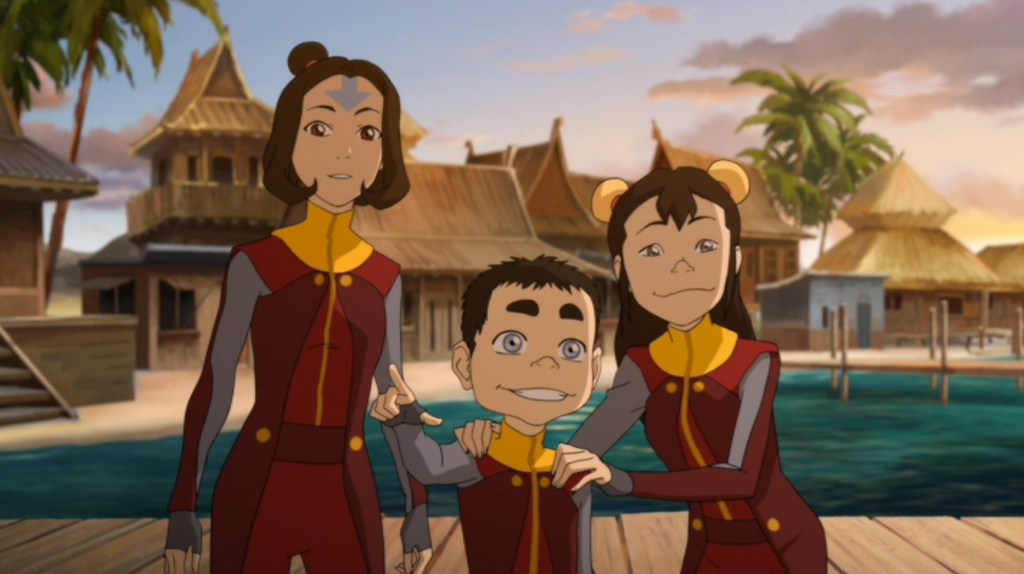
First let me say that I like Ikki, Meelo and especially Jinora as characters. Even in a fantasy animated show it does feel like a bit of a stretch to send 3 kids out a highly important mission. Could they have written a better reason why Tenzin couldn’t go? Maybe have him incapacitated or have the kids sneak off on their own. The mission itself with all the youngest characters does bring it closer to The Last Airbender, and I get why they would want to do that. I’ll give credit that it’s much harder to write this than any episode of The Last Airbender, as all 3 kids are supporting or minor at best. The Korra and Toph training continues, and thankfully with these back to back episodes Toph is less of a cameo and more of an essential character, although I still find the training to be a little repetitive. What really sets this apart of how they bring the theme of the season “Balance” together by having Toph point out how all the previous villains wanted the right thing, but we’re out of balance in their execution of their plans. Brilliant argument for why the Korra villains are so complex.
32 – The Stakeout (Season 3, Episode 9)
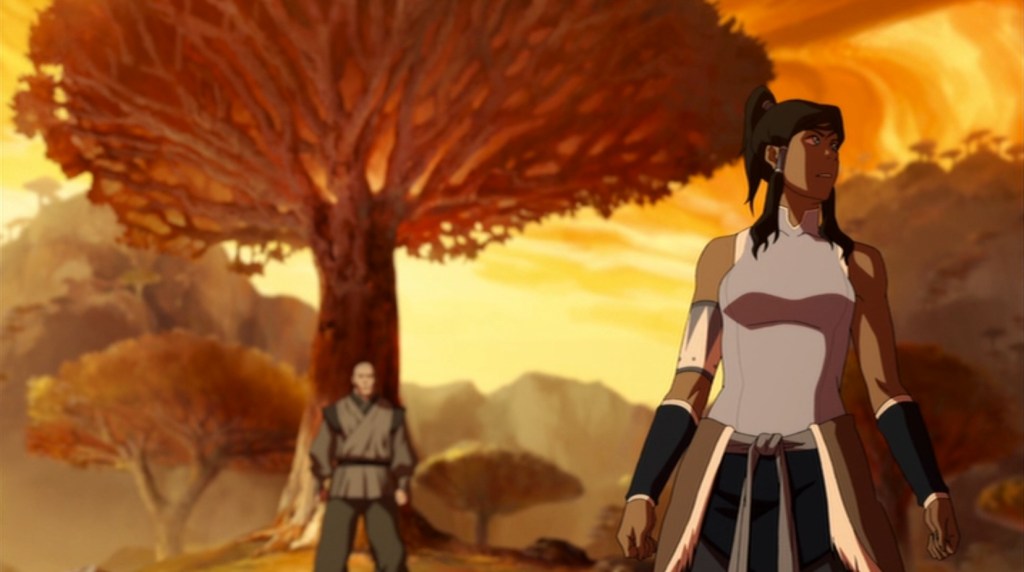
The small western town setting is fantastic. Going on a mission to capture Aiwei is fantastic. Even the tedious time killing in a tiny room on a stakeout is fantastic. Korra discovering that Aiwei and Zaheer are secretly meeting in the spirit world is where I have a bit more of an issue. So much of the previous season was spent in the spirit world, and with how the season ended with the portal between the world’s being open, it seems a little unlikely that this is how long it took for anyone to think someone could hide in the spirit world. And when Zaheer’s gang come to try and take Korra’s body while she’s in the spirit world, I really question why they would tell Asami to take Korra’s body. The person least equipped to deal with the villains in a fight is going to be the sole person protecting her? Of course lack of logic aside, it makes for a great cliffhanger when Korra suddenly reenters her body in chains and gagged. The meeting between Zaheer and Korra in the spirit world is the best part of the episode. Zaheer has been established as a dangerous villain, and 9 episodes in this is the first time he and Korra have any real confrontation, so it’s unexpected to have it be a rather civil conversation while Zaheer calmly lays out his entire purpose.
31 – Beginnings Part 1 (Season 2, Episode 7)
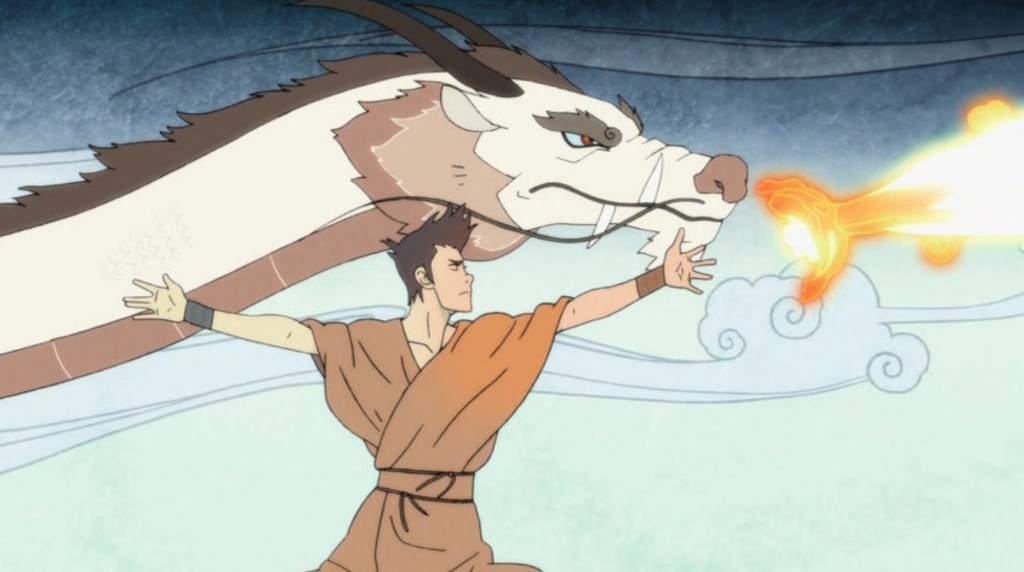
Amnesia can be a weak plot point. What saves it here is when Korra washes up on fire nation shores and she is immediately recognized, so we’re not subjected to multiple episodes of her starting a new life. The mission is immediately how to help her regain her memories. It quickly becomes a flashback to the story of the first ever Avatar. I’m sure some will hate me for this, but I don’t love the first part. It’s repetitive with Wan just wandering and encountering different spirits one at a time. I also prefer to keep the spirits more mysterious, and this literally has them holding full playful conversations with Wan. It does start coming together with the time jump, and Wan’s interrupting of the battle with Vaatu. I do like seeing the origin of the first Avatar, and this episode is necessary to fully appreciate the much better Part 2, but this one just doesn’t instantly grab my interest the way something like The Last Airbender’s ‘The Avatar and the Firelord’ flashback episode did.
30 – Beyond the Wilds (Season 4, Episode 9)
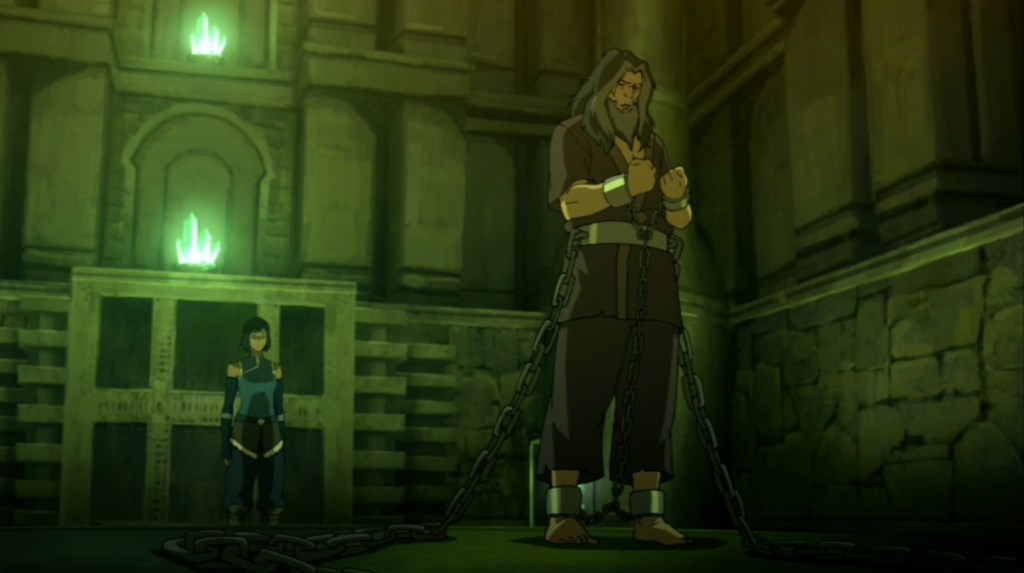
With Bolin and Varrick finally joining up with everyone else they reveal Kuvira’s full plan with the weapons, which starts to bring the overall plot of the season into focus. In an ironic twist the thing that makes this episode as good as it is is also the thing that makes the season as a whole a little weaker than it could have been. Zaheer comes back and Korra confronts him. He was a ridiculously strong villain, and the drama the show built around how broken Korra was after their battle is arguably the best part of the season. Unfortunately they bring Zaheer back while Kuvira still hadn’t caught on as the new villain fully. I like how they try to connect them together, with Korra arguing that Zaheer’s actions actually enabled Kuvira into becoming exactly what he was fighting against in the first place, but it’s just one line and Zaheer more or less going “Hmmm. Never thought of it that way. Let me help you”. In the end there has been a long enough break of Korra being even remotely powerful, so the moment where she reenters the spirit world, reconnects with Raava and learns that she is even more powerful than she thought gives us the first big hero moment of the season.
29 – After All These Years (Season 4, Episode 1)
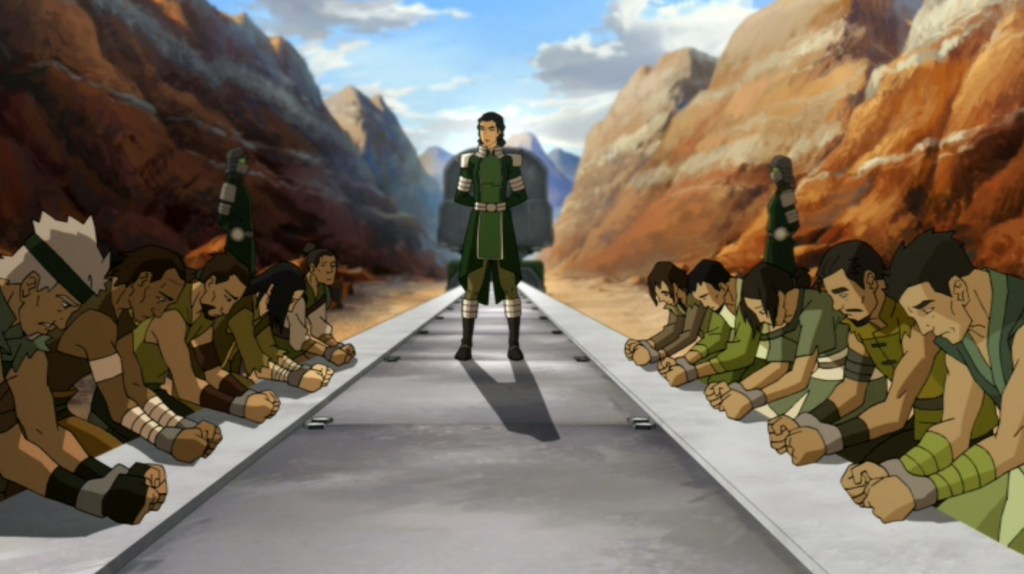
There’s a 3 year time jump, which is by far the biggest in any series. I like that they took this opportunity to show all the supporting characters having moved on. This particularly helps with Asami, who remained the most incsignificant and boring hero character for 3 back to back seasons. The episode mostly exists to setup Kuvira as a unique hero turned villain, with her change from Earth Kingdom hero to miltary leader carefully orchestrating a coup. And they don’t make her a clean villain either, as the characters in the show are more uneasy than outright threatened. The Air Nation now act like Jedi protecting the people, but are overwhelmed with not nearly enough to manage the crisis in the Earth Kingdom. One of the best arcs of the series comes as even after 3 years Korra still hasn’t completely recovered from her battle and poisoning by Zaheer. We don’t even see Korra until the final minute of the show, and she’s shown as being a shell of her former self. It’s an intriguing start to the season that benefits a lot from the big time jump.
28 – A Breath of Fresh Air (Season 3, Episode 1)
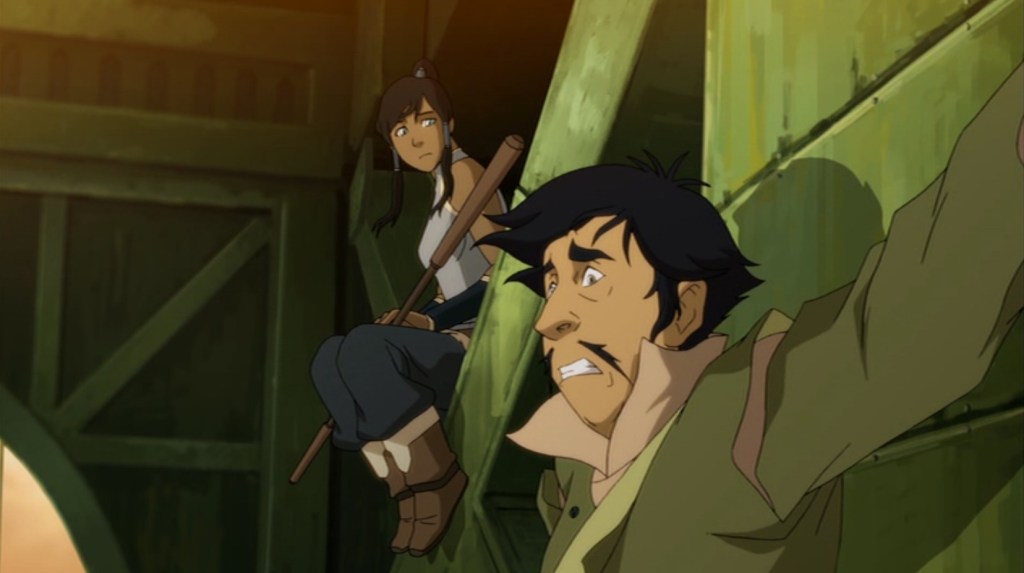
What I always appreciate about Korra as a character is her decisions don’t always work out as planned, and she’s frequently under fire by the public and authorities. There’s one dilemma of spirit vines altering the environment and spreading everywhere, and then a second complication of people who previously had no bending abilities gaining the power. It’s an unexpected way of keeping the story fresh and unique compared to The Last Airbender. The tone of the episode is the best balance the series has had yet. The scenes talking down the character on top of the bridge is a perfect example. There’s still a lightness and a humor to it, but the context is a guy who suddenly has no control over what he’s doing and is desperate to have Korra reverse what is happening.
27 – Out of the Past (Season 1, Episode 9)
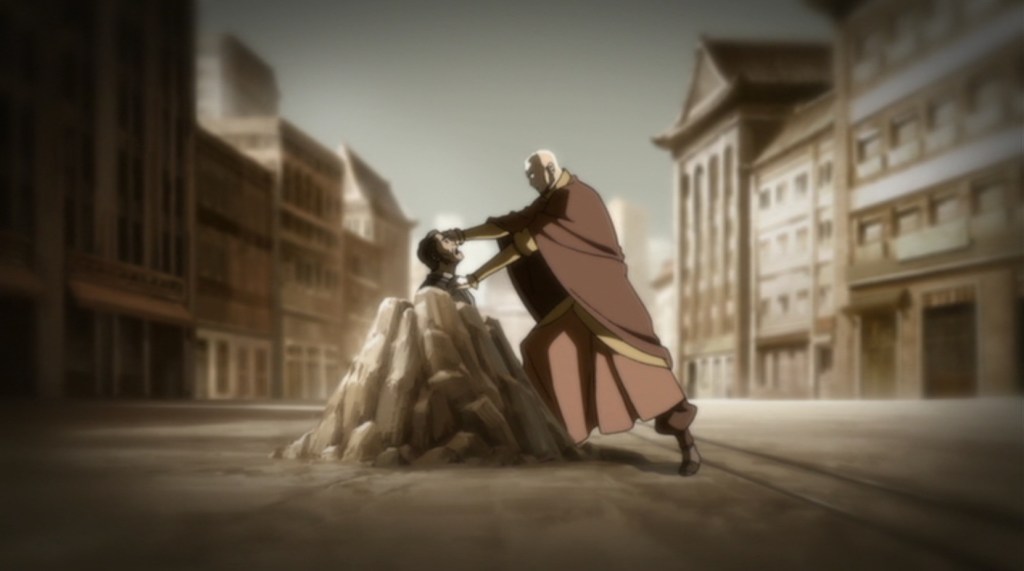
The investigation into Korra’s disappearance and Tarrlok being revealed as a blood bender is intercut with flashbacks of Aang battling another blood bender. This leads to Aang’s energy bending the power out of the blood bender. I do remember seeing this episode for the first time and assuming they would have some connection to tie Amon and Tarrlok together. I find it way more satisfying to have them as two separate villains at odds with each other. One thing I always appreciated about Korra compared to The Last Airbender was how often Korra would appear completely defeated. She basically spends this entire season being beaten down by Amon. The first time she stood no chance and was spared by Amon, and this time she barely escapes him clinging to the back of Naga. It’s one of the more memorable moments of the season, and a very dramatic way to end an episode.
Coming tomorrow will be the second part of my Legend of Korra episode ranking, counting down episodes 26-1 on my list.

